What’s your favourite plant?
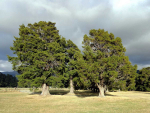
Forest owners are urging people to vote for tōtara as plant of the year in a poll being conducted by the New Zealand Plant Conservation Network.
 increase font size

FOREST AND woodlot owners could face a compulsory levy when they harvest and sell timber.
The New Zealand Forest Owners Association last week concluded nine nationwide meetings to gauge support for the idea which, if it gains a mandate, would be implemented under the Commodities Levy Act (CLA).
Currently NZFOA is a voluntary membership organisation and there is a view among many members that non-members reap the benefits of the association's work, without making a contribution.
Glen Mackie, senior policy analyst at NZFOA, told Rural News the meetings were a fact-finding mission. There's no final proposal yet; this will follow when the views from the meetings are analysed.
"The first step we have to take [under the CLA] must be to identify who's actually going to pay the levy and we have to make sure those people have the opportunity to give their views on whether they want to pay it.
"Also, if the levy is successful, they have to have the ability to have a say on how the levy is spent."
The meetings are also about assessing the state of the industry, says Mackie.
One challenge for the NZFOA is that everything, including membership, is voluntary.
"There are voluntary contributions by individual companies to industry-good projects including fire, harvesting and biosoecurity research [but] at the moment it's all voluntary on an ad hoc basis. Those companies that feel they benefit directly will fund a project but others don't and are under no obligation to do so.
"We find the vast majority of these projects benefit the majority of forest owners so the idea of the levy is an opportunity to widen the funding base."
The proposed levy would apply to planted production forests, not harvested native timber, when trees are taken, be that for woodchips, posts or logs.
"It would apply only at harvest. Nothing would be paid until then, when the forest owner has cashflow."
Each year about 26 million m3 of timber is harvested in New Zealand so cash would be available from the day a levy was introduced. The amount of the levy isn't yet known because it would depend on what levy payers wanted to fund, and what they were prepared to pay. Mackie doesn't believe it would be large.
If there is support for a compulsory commodity levy, a final proposal will be drafted and all those who would be liable to pay would have a final say in a referendum late this year or early next.
Forest owners are urging people to vote for tōtara as plant of the year in a poll being conducted by the New Zealand Plant Conservation Network.
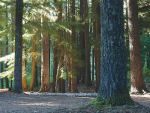
Forestry owners oppose the Parliamentary Commissioner for the Environment’s proposal to limit forestry offsets to agriculture.
A disease which is devastating trees in the Western United States and Europe is a major threat to New Zealand plantations and ornamental trees, should it ever arrive here.
Forest owners say kinks in the laws covering the release of genetically modified organisms (GMOs) need to be ironed out.
Forest operations will continue in Nelson and Marlborough forests during summer, except when the fire risk is at its highest.



The primary sector is leading New Zealand's economic recovery, according to economist and researcher Cameron Bagrie.
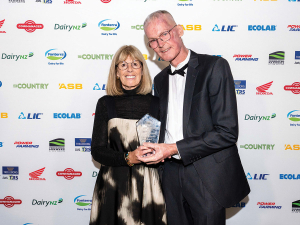
Dairy industry leader Jim van der Poel didn't make much of the invitation he received to the recent New Zealand Dairy Industry Awards in Rotorua.
Farmers around the country are going public big time, demanding their local district, city and regional councils come up with amalgamation plans that meet the needs of rural communities and don't allow urban councils to dominate.
The battle for the rural vote is on and parties are securing high profile names to try and bolster their chances at the general election.
Horticulture New Zealand says proposed changes to the Plant Variety Rights Act 2022 will drive innovation, investment and long-term productivity.
More than 1200 exhibitors will showcase their products and services at next month’s National Fieldays, with sites nearly sold out.