Wilding conifers a legacy issue - forest owners
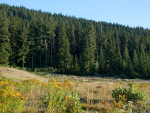
Forest owners welcome the Parliamentary Commissioner for the Environment’s acknowledgement that the presence of wilding conifers across New Zealand is largely a legacy issue.




 increase font size
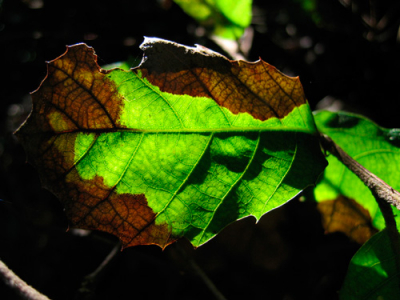 P. ramorum is causing the now widespread disease, sudden oak death, in California and Oregon.
A disease which is devastating trees in the Western United States and Europe is a major threat to New Zealand plantations and ornamental trees, should it ever arrive here.
The forest industry is concerned that even the suspicion that Phytophthora ramorum was present in New Zealand could have a major effect on log exports and employment in forest regions.
P. ramorum is causing the now widespread disease, sudden oak death, in California and Oregon. It has also spread to most European countries in the past decade.
Forest Owners Association Biosecurity Manager, Bill Dyck, says the disease is just one of many pests and diseases threatening the industry.
“Just this year, we’ve had two species of beetles, which feed on eucalypts, arrive in our forests. One, near Waikanae, we thought had been eradicated, and the other, in Hawkes Bay, we haven’t ever seen here before,” Bill Dyck says.
Rotorua based Scion plant pathologist, Lindsay Bulman, says one of the concerns is the ramorum pathogen is infecting an increasing range of tree species.
“We don’t know if ramorum would infect our main plantation tree, Pinus radiata, but it has now been seen on Douglas-fir and Japanese larch overseas, and previously plant pathologists thought it wouldn’t infect any conifer species,” Lindsay Bulman says.
Ornamental trees which are particularly susceptible are rhododendron, camellia and viburnum.
“I have to emphasise as well, that implications of any arrival of this pathogen in New Zealand may not be confined to potential effect on the trees themselves. Log exports from the West Coast of the United States to East Asia have had a major hit from importing countries not wanting to introduce the pathogen there.”
Bulman says the threat of importing P. ramorum and many other plant pests and pathogens is behind next week’s Biosecurity Week at the Port of Tauranga.
“Trees and vines are the Bay of Plenty’s biggest businesses and the forest and kiwifruit industries share a concern that it would be so easy for insects or pathogens to slip through the border if tight vigilance is not maintained.
“There are various eradication or control options, so long as new incursions are detected early. Surveillance by specialists and biosecurity awareness from the public are crucial for early detection.”
Bulman says Biosecurity Week aims to heighten awareness of the risk and what the public can do to help.
“A third of New Zealand’s five-billion-dollar a year forest product export trade goes through the Port of Tauranga. If those exports were disrupted, there would be a lot of people who work at, and service, that Port, who might find themselves out of work for a long time.”
Forest owners welcome the Parliamentary Commissioner for the Environment’s acknowledgement that the presence of wilding conifers across New Zealand is largely a legacy issue.
Federated Farmers forestry spokesperson Toby Williams says that changes to forestry rules announced yesterday will put power back into the hands of local communities.
The Forest Owners Association is decrying the latest Kiwis Backing Farmers campaign as "climate change responsibility denial".
A new recruitment campaign called ‘Find Your Fit in Forestry’ has been launched with the aim of drawing attention to the varied career opportunities available in the forestry industry.
The Forest Owners Association (FOA) says its members and the supply chain are gearing up to meet the challenge of getting back to work on Tuesday 28 April.


The primary sector is leading New Zealand's economic recovery, according to economist and researcher Cameron Bagrie.

Dairy industry leader Jim van der Poel didn't make much of the invitation he received to the recent New Zealand Dairy Industry Awards in Rotorua.
Farmers around the country are going public big time, demanding their local district, city and regional councils come up with amalgamation plans that meet the needs of rural communities and don't allow urban councils to dominate.
The battle for the rural vote is on and parties are securing high profile names to try and bolster their chances at the general election.
Horticulture New Zealand says proposed changes to the Plant Variety Rights Act 2022 will drive innovation, investment and long-term productivity.
More than 1200 exhibitors will showcase their products and services at next month’s National Fieldays, with sites nearly sold out.





OPINION: It's been an eye-opener watching the big media companies behaving exactly like the powers-that-be who the crusading hacks from…
OPINION: Town and country find themselves on the same page when it comes to anger over price hikes from NZ…