The Ministry for Primary Industries (MPI) has set up a register for safe practice in the sector, with registrations due this Friday.
The register comes as New Zealand moves to COVID-19 National Alert Level 4 tonight at midnight.
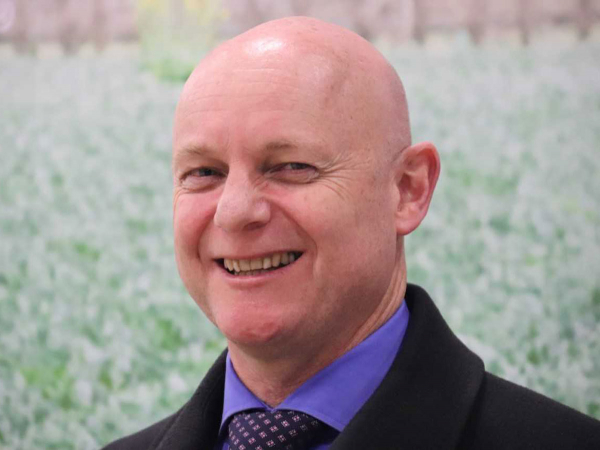
MPI director-general Ray Smith and Agriculture and Food Safety Minister Damien O’Connor met 90 sector stakeholders by conference call yesterday.
Smith says it was an extremely constructive meeting.
“I know that everyone who took part wants to do their best for New Zealand as we meet the COVID-19 challenge.”
Smith says MPI requires safety assurances from operators that their processes protect workers and the public by limiting interactions between staff and reducing the potential spread of COVID-19.
"The Government's declaration of essential services approves those operating in the primary sector, but we just need to verify that operators are following safe practices.
“We are asking 11 critical questions about how you intend to stop any spread of COVID-19,” says Smith.
There are a couple of simple questions operators can ask themselves before registering:
1. Do you have five or fewer people (including the owner) working at each business site?
2. Can you achieve social distancing measures between staff in your workplace, including travelling, to and from work?
If you answer 'yes' to both of those questions, then you do not need to fill in the form.
• If you answer 'no' to either of these questions, you must fill in the form.
• If in doubt, fill in the form.
“Production chains should work to achieve separation between staff and adopt mitigation measures, such as protective gear and equipment, where possible,” says Smith.
Smith says MPI will do its best to advise and support the sector over the coming days and weeks.
“We are asking businesses to be registered by 5pm on Friday 27 March 2020. They should keep operating and are expected to already have health procedures in place.
“We’re all working together to ensure that our vital food production sectors can operate safely,” says Smith.
Find out about registration