M.I.A.
OPINION: The previous government spent too much during the Covid-19 pandemic, despite warnings from officials, according to a briefing released by the Treasury.
 increase font size
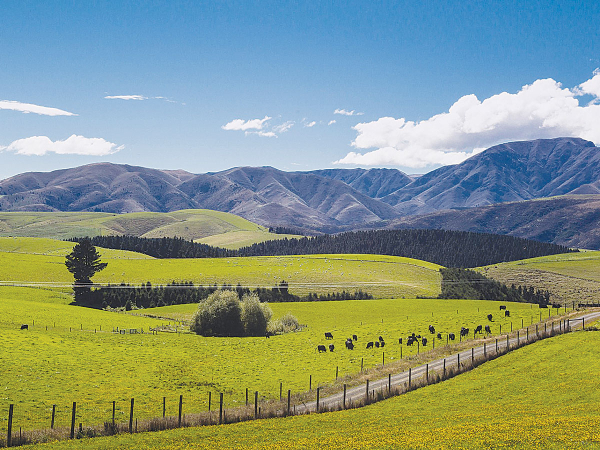 The Covid inquiry is asking people to share their experiences of the pandemic.
Better understanding the impact of the Covid-19 pandemic on the people of Northland, and the role communities played in the pandemic response, will be the focus of a visit from the Covid-19 Inquiry, says inquiry chair Professor Tony Blakely.
As part of the visit, the Inquiry will travel to Whangarei, Kaikohe and Kaitaia where the commissioners will meet with iwi, local business leaders and owners, Māori health and social service providers, local government staff and representatives of the education sector, among others.
“We know the impacts from the pandemic on Northland were significant and, like Auckland, the region had to endure longer lockdowns and public health measures than other parts of Aotearoa New Zealand,” says Blakely.
“We also know community leaders played a key role in ensuring that whānau were protected as much as possible from the impacts of the virus,” he says. “We’re very interested in learning more about what was done and why as we focus on learning the lessons from COVID-19 and ensuring we are as prepared as possible for any future pandemic.”
The Inquiry will also host direct engagements with the community, aiming to capture their experiences of the pandemic, and encourage as many people as possible to share their experiences of the pandemic via the Inquiry’s online submission site, www.Covid19Inquiry.nz.
Public submissions are open until 24 March 2024.
“The Covid-19 pandemic affected all of us, and New Zealanders – both here and living overseas – were asked to undertake extraordinary actions during this time. We want to hear about the wide range of experiences people had, and their observations of the pandemic, whatever they might be,” says Blakely.
He says it is his hope that lessons can be drawn from across a range of areas where major decisions were taken during the pandemic.
“It is also my hope, along with my fellow Commissioner John Whitehead, that in sharing their stories with the Royal Commission, people feel in some way they have had the opportunity to express the impact the pandemic had on them, their families and communities,” Blakely says.
The Inquiry has launched a public information campaign – ‘Look back to move forward’ – to ensure that the public are aware of their opportunity to share their experiences. As of today, the Inquiry has received approximately 2,700 submissions.
“It’s really encouraging to see that so many people have taken the time to tell us about their experiences, and we look forward to receiving many more submissions ahead of the consultation closing on 24 March,” says Blakely.
Alongside sharing their experiences of COVID-19, the public also have the opportunity to provide feedback on what an expanded terms of reference for the Inquiry might include.
“The Government has said it is committed to expanding the Inquiry’s terms of reference and has asked us to undertake consultation, on its behalf, on a broader, clarified scope for the Inquiry.”
Feedback on the terms of the reference will be provided to the Department of Internal Affairs, who will then provide advice to the Government ahead of any changes that might be made to the scope of the Inquiry. As a result of this consultation, the Inquiry may be asked to look at additional aspects of the COVID-19 response.
Public submissions are in addition to the many direct engagements that the Inquiry has undertaken with individuals, organisations and communities since it began in February 2023.
The Royal Commission has also been directed to review a wide range of publicly available information as part of its terms of reference, says Blakely.
OPINION: The previous government spent too much during the Covid-19 pandemic, despite warnings from officials, according to a briefing released by the Treasury.
OPINION: Labour leader Chris 'Chippy' Hipkins is carrying on the world-class gaslighting of the nation that he and his cohorts started after their disastrous Covid response; now trying to undermine the Covid inquiry to protect his own backside.
OPINION: Did former PM Jacinda Ardern get fawning reviews for her book?
OPINION: Welcome to the second annual NZ Dairy Expo at Matamata – an event created to bring together the best of the New Zealand dairy industry in a focused, grassroots environment where dairy farmers and rural professionals can meet, talk, compare products, and make smart decisions for their farms.
It's a bloody tough year for sheep farmers, but the worst may be over, and the future looks optimistic.

Testing confirms H5 bird flu in a single northern giant petrel, found dead on a remote Cape Palliser beach in the Wairarapa, says Dr Mary van Andel, the Ministry for Primary Industries' (MPI) Chief Veterinary Officer.

"What's for dinner?" may sound like a simple question, but for many Kiwi parents, answering it has become a job in itself.
Fifty Eight years ago, on the 16th of August 1968, August Claas, the founder of the harvesting company and father of Helmut Claas, personally presented a Claas Senator combine harvester to Scottish farmer John Steven.
New Zealand consumers are paying more for beef mince than ever before, with the average retail price now sitting above $24 per kilogram, according to Rabobank.
State farmer Pamu has delivered its strongest operating result on record.
Four years since it was first detected in New Zealand, researchers and growers now know much more about management of maize pest fall armyworm (FAW).