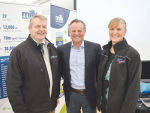
Wrecked farms get a $23 million makeover
When state farmer Landcorp took over the dilapidated ex-Crafar farms in the North Island four years ago, it had little idea of the challenges lying ahead.
 increase font size
Milk New Zealand Holding Ltd, which took over the Crafar Farms, has been lauded as a “great example” of the success of foreign investment in NZ at the NZ China Trade Association (NZCTA) Business Awards.
Milk NZ Holdings is owned by Shanghai Pengxin. The company was the supreme winner at the business awards and also won the DLA Piper Award for Inward or Outward Investment in China.
“Their category win and overall supreme win in these important awards are important to New Zealand, and also significant to Chinese who see recognition like this as noteworthy. It could help attract further interest from investors,” says Martin Thomson, chair of the NZCTA and a partner in global law firm DLA Piper NZ.
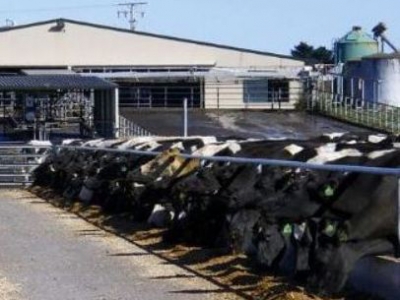
The company bought the Crafar farms and has since renovated and rehabilitated them under a management contract with Landcorp. It also bought Synlait Farms’ interests in 13 NZ farms. The company has committed to a partnership with Maori-owned Miraka, which manufactures UHT milk for export, and it has other NZ investments.
“New Zealand needs foreign investment like this,” says Thomson.
“According to government figures, the amount of foreign direct investment in New Zealand per capita is much lower than the average for ‘small nations’ in the OECD. Put simply, foreign direct investment brings jobs, skills, more trade, international linkages and cultural exchange. You can see that in the quality of the improvements Milk New Zealand has made to farmland and their overall record here.
“Foreign direct investment is important in New Zealand because we lack the capital in the country to bring about large change and major steps forward in our industry, including in dairy. Milk New Zealand Holding Ltd has helped pave the way.”
When state farmer Landcorp took over the dilapidated ex-Crafar farms in the North Island four years ago, it had little idea of the challenges lying ahead.
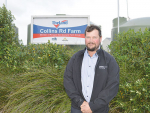
State farmer Landcorp has handed over the running of 16 North Island farms to Chinese owners Shanghai Pengxin following a four-year management joint venture.
Andy Macleod, the chief executive of the Chinese-owned Pengxin New Zealand Farm Group, resigned earlier this month.
Shanghai Pengxin has decided to withdraw the judicial review of the Government's decision to decline its application to purchase Lochinver Station.
It was good to see Shanghai Pengxin open its doors last week.


Safer Farms is urging farmers to make sure everyone working on farm has safe, suitable footwear for the job.
The Government is backing work on a community-led water storage scheme that could irrigate up to 11,000 more hectares of the Poverty Bay flats, Agriculture Minister Todd McClay says.
Agri-tech company Herd-i has become a new all-region sponsor of the New Zealand Dairy Industry Awards (NZDIA), the largest nationwide celebration of excellence in the dairy sector.
Four candidates have been confirmed for two director positions on Fonterra’s board.
Returning to the family dairy farm after playing 20 years of professional rugby around the world is no easy task.
After delivering another record farmgate milk price to 100 supplying farms, independent milk processor Tatua is entering thee new financial year with a positive outlook.