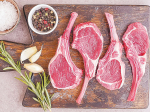
NZ Red Meat Exports Hit $867m in August, Up 23%
New Zealand's red meat and fifth-quarter exports reached $867 million in August, up 23% on the same month last year, as stronger returns lifted earnings across all major markets.
 increase font size

MILK POWDER, BUTTER, and cheese led an increase in exports in April, with their value up over one-third, to $1.2 billion, compared with April 2013.
Quantities showed little change, up 1.6%. Milk powder, anhydrous milk fat, and butter showed the largest rises.
Goods exports overall rose to $4.5 billion in April 2014, Statistics New Zealand says. This is an increase of $553 million since April 2013.
"Large price-driven increases in values this dairy season, compared with last, led to record total export values," international statistics manager Jason Attewell says. "However, April 2014 is the first month since August 2013 where the export value was not a record for the month."
Seasonally adjusted exports fell 6.5% in April 2014 compared with March 2014. This was led by a decrease in milk powder, butter, and cheese exports, following large increases in late 2013.
The trade balance for April was a surplus of $534 million (12% of exports). This compares with an average surplus of 13% of exports over the previous five April months.
Federated Farmers says the latest figures show for the second consecutive month, exports of caseins and caseinates are New Zealand's 10th largest export replacing aluminium and aluminium articles.
"The latest merchandise trade statistics for the year to April 2014 point to how the primary industries are hitting the afterburners," says Bruce Wills, Federated Farmers President.
"For every dollar in primary export earnings another 50 cents is captured off-farm, so the April trade result is massive for New Zealand in so many ways.
"While the standout remains dairy, up almost $3.8 billion on the same point last year, logs have surged by over a quarter meaning almost all the primary industries can stand up and take a bow.
"While exports of caseins and caseinates debuted at number-ten in the year to March, the April statistics sees it still in tenth spot. Caseins and caseinates generated $39 million more for New Zealand in this period than exports of aluminium and aluminium articles.
"Indeed, off this latest trade result, this category is now only $10 million behind exports of electrical machinery and equipment.
"Of course we are now in the shoulders and the drop off in peak dairy prices is yet to filter through. I expect dairy commodities will come back but it is an encouraging marker.
"Out of our top-10 merchandise exports in this period, the primary industries claimed seven places. Primary generated 89.9%of the top-10's export income worth $30.1 billion.
"If we add in other primary exports, like wool, which was itself up by almost 25% in the month of April alone, we are now closing on the $40 billion primary export barrier.
"We are tracking towards a doubling of primary exports by the end of this decade, so long as we have infrastructure and policy supporting us.
"While China remains our largest export destination, with exports in the year to April up an amazing 54%, exports to the European Union were also up by 10.5%. This is a welcome sign the EU may be emerging from recession.
"But if you want a brilliant case for the Trans Pacific Partnership then these export figures provide it. Take Taiwan. It was our tenth largest export destination in February but is now number eight with exports up 15% on April last year.
"That's due to trade agreements now paying off and it is telling that the export destinations in reverse or flat lining are mostly countries we do not have trade agreements with.
"The TPP would be like adding a supercharger to New Zealand employment opportunities, so long as it eliminates agricultural trade barriers and tariffs," Wills says.
New Zealand's red meat and fifth-quarter exports reached $867 million in August, up 23% on the same month last year, as stronger returns lifted earnings across all major markets.

OPINION: The United States wine market has changed forever, and companies cannot use same old playbook, said Erin Kirschenmann at the New Zealand Wine 2026 Wine Business Forum in August.
Meat Industry Association data, released alongside the Red Meat Sector conference in Wellington, shows export value climbing across the US, China, UK and Canada.
OPINION: The stats speak for themselves.
Chinese beef trade quotas and a looming suspension of Brazilian beef imports into the European Union are expected to reshape global beef trade flows over the remainder of 2026, with implications for New Zealand exporters, according to Rabobank's Q3 Global Beef Quarterly report.



The potato industry is celebrating the success of two rising stars - James Blair, the 2026 Young Grower of the Year and runner-up and innovation award winner, Amber Davy.
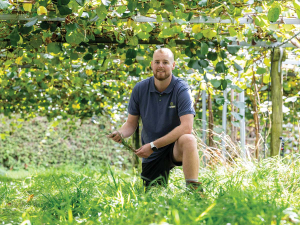
Twenty-eight emerging leaders from across the horticulture sector spent two days last month learning valuable skills and connecting with industry experts.
There are five entrants in this year’s Young Horticulturist of the Year, competing in a series of technical, practical, business and leadership challenges.
A seasoned horticulturist has been appointed to deliver the Apple Action Plan, a key initiative of the India-New Zealand Free Trade Agreement.
New Zealand's citrus growers have been told to compete on the value built into their fruit rather than the volume they grow.
Hawke's Bay fruit growers are being reminded of the need to prepare for whatever the El Niño weather system may bring in the coming months.