International Day of Rural Women: Two DairyNZ Farmers’ Stories
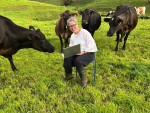
Today, 15 October, is the International Day of Rural Women, which recognises rural women’s contribution to farming, communities and the environment.
 increase font size
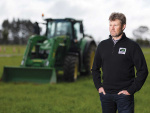
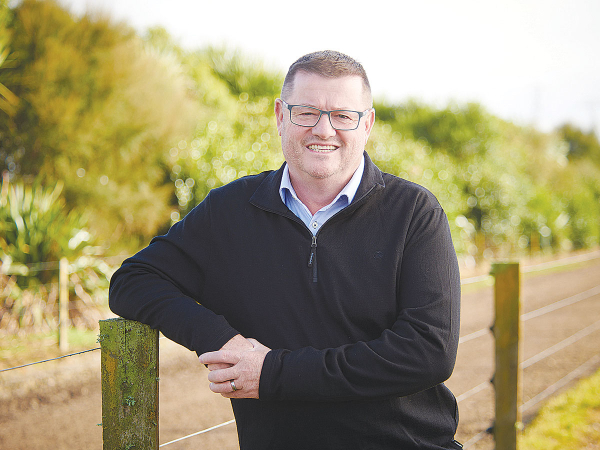 DairyNZ chief executive Campbell Parker.
According to the New Zealand Dairy Statistics report, dairy sector production held strong in the face of difficult climate conditions throughout the 2022/23 season.
The report, released by DairyNZ and Livestock Improvement Corporation (LIC) shows an innovative dairy sector producing well, despite climatic challenges, inflationary pressures, and global supply chain issues.
In the 2022/23 season, milk production remained relatively stable with 20.7 billion litres of milk containing 1.87 billion litres of milksolids processed by dairy companies. This represented a 0.4% decrease in litres produced, but a 0.3% in kilograms of milk solids.
While milk production per cow increased, the trend of declining cow numbers continued with a 3.46% decrease to 4.67 million cows.
DairyNZ chief executive Campbell Parker emphasizes the good work farmers have done to manage conditions including Cyclone Gabrielle and high on-farm costs, and the varying impacts these had on farm operations.
“New Zealand dairy farmers continue to focus on using technology information to milk efficiently, while managing their individual farm conditions,” says Parker.
“These insights are driving better decisions, while a range of tools help improve herd sustainability and productivity.”
The season saw an increase in the percentage of cows herd tested, at 81.1% of total cows tested (3.79 million cows, the highest percentage on record) while artificial breeding remained relatively stable at 3.81 million cows (82% of cows).
LIC chief executive David Chin says the increase in individual cow milk production and uptake of herd improvement services demonstrates farmers’ sharpened focus on cow efficiency.
“Our sector is producing more milksolids from a smaller cow population, and this is testament to the great work of Kiwi dairy farmers,” Chin says.
“Despite a challenging season, farmers have continued to invest in solutions that support them to produce the most sustainable and efficient animals for their herd,” he says. “The use of high genetic merit sires and record number of cows being herd tested is enabling farmers to breed highly efficient cows that produce more and have a lower emissions intensity profile.”
The average dairy co-operative payout (including dividends) from Fonterra and Tatua was $9.26 for the 2022/23 season, which is the second highest inflation adjusted payout for farmers on record.
New Zealand dairy farmers are resilient and accustomed to managing volatility, with the sector experiencing a drop in expected milk price for the 2023/24 season. The current Fonterra midpoint forecast sits at $7.50 per kg of milksolid.
Parker says that dairy plays a large role in contributing to GDP and supporting the prosperity of local communities, as well as providing approximately 55,000 jobs nationwide.
“While managing climatic conditions, dairy export revenue is expected to increase to $25.1 billion in for the 2022/23 season.
“We should all be proud of the dedication of the dairy sector and what is achieved even in difficult seasons as we continue to deliver economic growth for New Zealand.”
Key statistics
Today, 15 October, is the International Day of Rural Women, which recognises rural women’s contribution to farming, communities and the environment.

LIC shareholders have elected a new North Island representative to the co-operative's Board, along with five representatives to its Shareholder Reference Group (SRG), following the company's Annual Meeting held in Invercargill.
The first major update to the Dairy Cattle Code of Welfare in more than a decade has been released, marking what DairyNZ describes as an important step in ensuring animal welfare standards continue to evolve alongside scientific evidence and on-farm realities.
Have a plan in place for your cows and staff.
DairyNZ deputy chair Cameron Henderson has been re-appointed unopposed for another term.



Fonterra Co-operative Group chief financial officer Andrew Murray has resigned to take up a role outside the dairy giant.
A major move is about to get underway to improve the quality and viability of dairy beef and cattle in NZ.
Veterinarians say changes to the code of welfare for dairy cattle provides a positive foundation for improved cattle welfare across the country.
Today, 15 October, is the International Day of Rural Women, which recognises rural women’s contribution to farming, communities and the environment.
Global dairy giant Lactalis has integrated its Australian operations with the Mainland Dairy consumer business it acquired from Fonterra earlier this year.
High country stations, mixed sheep and beef farms, Māori-owned farms, corporates and family operations are among the nine commercial farms taking part in the Livestock Innovation Farming Transformation programme, known as LIFT.