
Farmers Warned Over Track Dangers After Wairarapa Floods
The terrible floods that hit the Wairarapa may have subsided, but the danger to farmers still exists, according to local Federated Farmers president Rob Hickson.
 increase font size
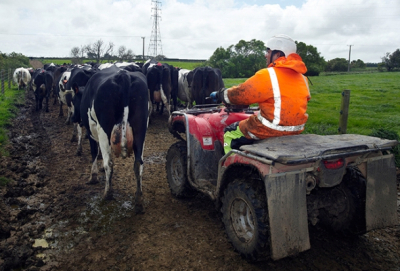
The Labour Inspectorate is calling for dairy farmers to use best practice when employing in 2018.
The Inspectorate says employers should make sure they have compliant records, agreements, and all employees receiving at least the minimum wage for every hour worked.
A recent investigation by the Inspectorate found 28% of farms visited failing to meet their record keeping obligations, resulting in $11,000 in fines. Whilethis was an improvement on previous visits, the Inspectorate says no be farmer should be failing to meet these basic and long-standing requirements of New Zealand employment law.
“Part of being a good employer is ensuring that everyone on your farm is getting all their minimum employment entitlements,” says Labour Inspectorate regional manager Natalie Gardiner.
“This requires keeping good wage, time, holiday, and leave records, compliant employment agreements, and paying your employees all their entitlements such as for working public holidays.
The stand down list introduced last year as a result of the Labour Inspectorate and Immigration New Zealand working together means employers face consequences beyond the immediate fine.
Employers on the stand down list have committed a clear-cut breach of employment standards, and as a result are prevented from sponsoring new visas to recruit migrant labour for up to two years.
“By keeping good records, you offer protection to both yourself and your employee should anything go wrong or come under dispute – and are on your way to being a best practice employer.
The Labour Inspectorate says it will be visiting more farms in the coming year and any which are found not meeting their employment obligations can expect to face serious consequences.
The terrible floods that hit the Wairarapa may have subsided, but the danger to farmers still exists, according to local Federated Farmers president Rob Hickson.
Improving health and safety is about incremental gain rather than a sudden decision, says Leeston farmer and Federated Farmers health and safety spokesman David Birkett.
The greatest nightmare for any dairy farmer is the fear of contaminating the milk vat, either with milk from a treated animal or water from the wash cycle.
A huge reduction in ACC claims from on-farm accidents over the last five years is due to thousands of small, practical decisions being made in sheds, yards, paddocks and around kitchen tables across the country, says Safer Farms ambassador Lindy Nelson.
With ethical employment practices a "hot topic" in key markets, Sustainable Winegrowing New Zealand (SWNZ) is strengthening its People Pillar.



Federated Farmers says it welcomes Labour's commitment to reviewing the Sharemilking Agreements Act, calling on other major parties to do the same.
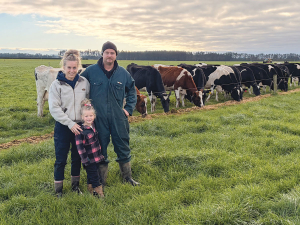
For Canterbury dairy farmers Sian Meijer and Rick Wobben, wearable technology has become one of their most valuable on-farm tools - helping manage 1850 cows across an expansive, high-performing dairy operation while improving efficiency, mating outcomes and day-to-day decision making.
Fonterra has unveiled its annual results for the 2026 financial year, posting $27 billion in revenue and close to $20 billion returned to New Zealand farmer owners and unit holders.
The first major update to the Dairy Cattle Code of Welfare in more than a decade has been released, marking what DairyNZ describes as an important step in ensuring animal welfare standards continue to evolve alongside scientific evidence and on-farm realities.
Ravensdown shareholders have elected Jane Montgomery and Kate Acland to the Ravensdown Board for three-year terms, following a closely contested director election.
Federated Farmers says new legislation replacing the Resource Management Act will cut red tape, unlock investment and help grow New Zealand's export-led economy, after the Planning Bill and Natural Environment Bill passed their third reading in Parliament yesterday.




