Pāmu Silver Stabilizer Dairy Beef Genetics Open to Farmers
A major move is about to get underway to improve the quality and viability of dairy beef and cattle in NZ.
 increase font size
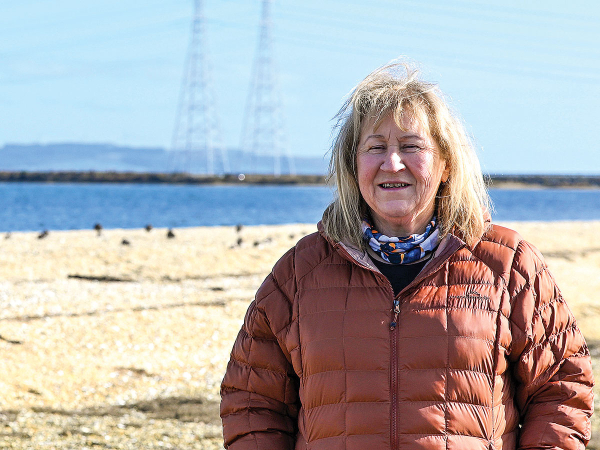 Glenda Rees won the Individual Environmental Leadership award.
For 15 years, Glenda Rees has travelled from Gore to Awarua, often several times a week, to keep watch over one of the country’s rarest birds.
Her work monitoring the pukunui Southern New Zealand dotterel, a shorebird found only in Southland, was among the efforts recognised at the 30th Environment Southland Community Awards in Invercargill on Thursday night. Farmer-led water testing and a Fiordland fisherman’s three decades of marine protection were also recognised.
Rees won the Individual Environmental Action or Leadership category. She has been monitoring the dotterel since 2011 and passes her records to the Department of Conservation’s recovery team. She was in the Falkland Islands studying penguins, so friends Trudie Pope and Donna Bain accepted the award on her behalf. Robyn Guyton, who has advocated for sustainability and food resilience for more than four decades through the Riverton Environment Centre and other projects, was highly commended.
The awards, held at the Ascot Park Hotel, drew 50 nominations this year, and judges visited 25 of the nominees. Winners and highly commended finalists were named across eight categories, alongside three special awards.
In farming, Pāmu’s Mararoa Station won Environmental Leadership in Farming for its investment in wetlands, riparian planting and waterway protection. The station has retired less productive land and uses monitoring data to guide decisions. Mangapiri Downs Organic Stud Farm near Blackmount, farmed by the Gow family since 1939, was highly commended.
Farmers were also behind the winner of the wetlands and waterways award. The Edendale Aquifer Group, formed by local farmers as an offshoot of the Three Rivers Catchment Group, has collected almost 700 water samples from 137 sites since August 2024 to track how nitrate moves through the catchment. Hokonui Rūnanga Kaupapa Taiao was highly commended.
Fisherman and conservationist Pete Young received the Kaitiaki Tohu Pou Award for 30 years of work protecting the Fiordland marine area. The award is not presented every year. Jenny Campbell won Te Tohu Kahika o te Taiao, a new award this year, for championing people involved in environmental projects across Southland. Mid Dome Wilding Trees Charitable Trust took the Councillors’ Award for its work protecting northern Southland’s high country from wilding pines.
Environment Southland councillor and awards judge Maurice Rodway said the standard of entries was once again incredibly high.
“These awards recognise people who quietly get on with the job of caring for the environment. The commitment, energy and perseverance shown by this year’s winners was truly impressive,” he said.
ANZ sponsored the Individual Environmental Action or Leadership category. ANZ Business and Agri Regional Manager for the Provincial Southern region Cameron Reed said the awards recognised the people who practically get on with making a difference in their communities.
“It’s about people who care about the places they live and work in, and who are prepared to put in the time over many years to make them better,” Reed said. “A big congratulations to Glenda, and to all the winners and finalists. We are fortunate to have people like that in the community.”
Other winners included Sandy King’s Paws for Conservation, which uses specialist conservation dogs to protect Rakiura and the southern islands from pests; Riversdale Community Garden; Thornbury School; South Coast Environment Society; and Bluff Distillery, recognised for cutting its freshwater use by repurposing seawater from a neighbouring pāua farm.
A major move is about to get underway to improve the quality and viability of dairy beef and cattle in NZ.
High country stations, mixed sheep and beef farms, Māori-owned farms, corporates and family operations are among the nine commercial farms taking part in the Livestock Innovation Farming Transformation programme, known as LIFT.
Pāmu has welcomed Taranaki student Paige Burston as its newest First Foundation Scholar, supporting her journey towards a career in agriculture and animal science.
State farmer Pāmu is bracing for a $30 million hit from soaring farm input costs this financial year.
Pāmu has released its FY26 Integrated Annual Report, reporting a Net Operating Profit of $113 million, more than double the $49 million recorded in FY25.

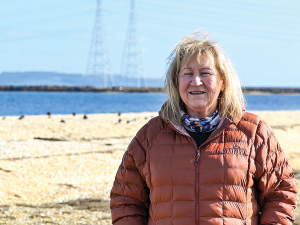
For 15 years, Glenda Rees has travelled from Gore to Awarua, often several times a week, to keep watch over one of the country’s rarest birds.
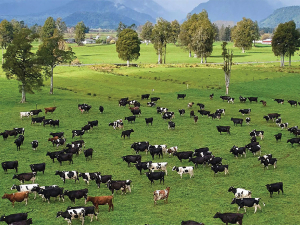
With some farmers opposing a government-industry partnership set up to develop methane reducing products, one NZ company claims that it already has a product on the market.
During the nesting season, from September to December, industrious starlings can quickly build nests in the darker areas behind tractor and vehicle, usually close to hot engines, typically resulting in localised damage or in some cases complete write-offs.
The meat processing industry is much more collegial than it was in the past and is now more focused on common goals.
With the last couple of months having seen some potential tractor purchases put on hold with the impending election and continued input cost rises, year-to-date figures, ending September, has seen deliveries up around 5% over the same period in 2025, with a total of 2026 units.
Beef+Lamb New Zealand is calling for nominations for director roles in the Northern South Island and Northern North Island electoral districts.