New Zealand farmer confidence and spending intentions jumped to record levels in the second quarter of this year, buoyed by improved commodity prices.
Rabobank says its second quarterly survey for the year, completed in June, shows net farmer confidence rose to 54% from 27% in the March quarter, hitting the highest level since the survey began in 2003.
Spending intentions were higher in all farm sectors: 40% of farmers expect to spend more in the next 12 months, up from 31% last quarter and also at a record high.
Farmers in all agricultural sectors were more positive about the outlook for the agricultural economy in the June quarter, with 71% citing improved commodity prices as a key reason.
Especially so dairy farmers, 77% of whom cited better commodity prices, while sheep and beef producers were at 66%.
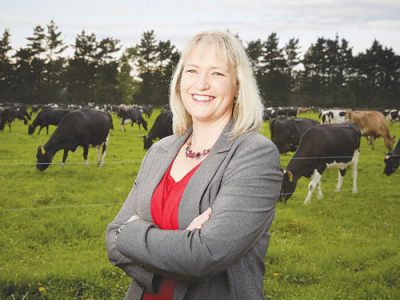
“Buoyancy in the pastoral sectors is underpinned by strengthened farmgate returns across the industries,” says Rabobank NZ general manager for country banking Hayley Moynihan.
“Sheep and beef farmgate prices continue to hold steady at strong levels for beef and higher than first expected for lamb; and lower supply from NZ and other key export regions will underpin good returns over the coming months.
“Dairy commodity prices continue to strengthen thanks to steady demand and lower supply and this has been recently reflected in strong opening price signals for the new 2017-18 season by many dairy processors.”
At least half the farmers surveyed were anticipating the performance of their own farm business to improve over the next 12 months, lifting net confidence to 47%, the highest reading since late 2013.
Sheep and beef farmers recorded the biggest rise in confidence in their own farm business performance, jumping to a net 41% from 2% last quarter, while dairy farmer confidence lifted to a net 61% from 54% and horticulturalists eased to 38% from 44%.
“It’s unusual to have farmers from all NZ’s key agricultural sectors so confident about the outlook for their own business’s performance and this bodes well for the rural [and national] economy,” Moynihan added.