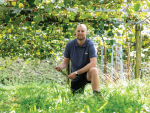
Rabobank Launches HortPathways for Emerging Hort Leaders
Twenty-eight emerging leaders from across the horticulture sector spent two days last month learning valuable skills and connecting with industry experts.




 increase font size
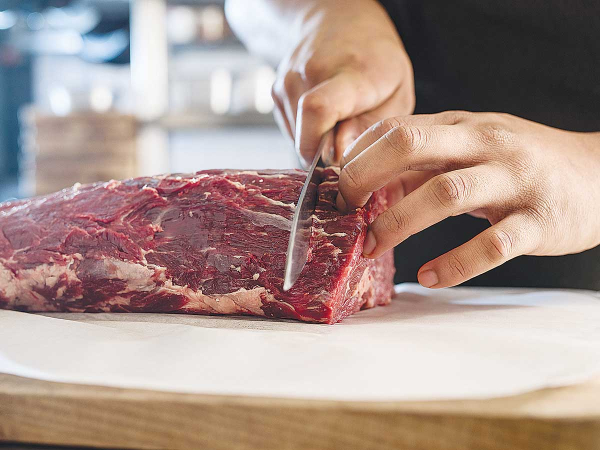 Brazil and China have emerged as dominant forces in exports and imports, respectively.
Global beef trade is expected to grow steadily over the next five years, driven by increasing demand from Asia and strategic export expansions by South American countries.
That's according to a new report by food and agribusiness banking specialist Rabobank.
The new global beef trade report found that over the last five years exports had risen 14% from 2019 to nearly 13m metric tons by 2024.
Brazil and China have emerged as dominant forces in exports and imports, respectively.
Brazilian beef exports surged from 2.3m metric tons in 2019 to 3.6m metric tons in 2024, largely driven by growing market demand in China, of which Brazil provided 50% of beef imports (China accounted for 41% of Brazilian beef exports).
China overtook the US and Japan to become the world's dominant importer of beef, going from 2m to 3.5m metric tons between 2019 and 2024.
Despite the increase in volumes worldwide, the 2024 global beef trading map is not dissimilar from the 2019 map, with the main importing and exporting nations largely retaining their positions.
The report says the second half of the decade is expected to witness continued growth in global beef trade.
Twenty-eight emerging leaders from across the horticulture sector spent two days last month learning valuable skills and connecting with industry experts.

A 'tsunami' of milk from key exporting countries is winding down and this may be good news for New Zealand dairy farmers.
Chinese beef trade quotas and a looming suspension of Brazilian beef imports into the European Union are expected to reshape global beef trade flows over the remainder of 2026, with implications for New Zealand exporters, according to Rabobank's Q3 Global Beef Quarterly report.
New Zealand consumers are paying more for beef mince than ever before, with the average retail price now sitting above $24 per kilogram, according to Rabobank.
West Otago dairy farmer Luke Kane has been awarded the 2026 Rabobank Dr John Morris Business Development Prize.


Safer Farms is urging farmers to make sure everyone working on farm has safe, suitable footwear for the job.
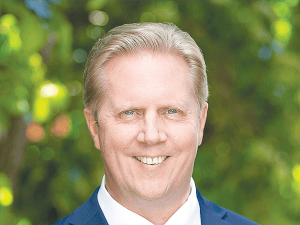
The Government is backing work on a community-led water storage scheme that could irrigate up to 11,000 more hectares of the Poverty Bay flats, Agriculture Minister Todd McClay says.
Agri-tech company Herd-i has become a new all-region sponsor of the New Zealand Dairy Industry Awards (NZDIA), the largest nationwide celebration of excellence in the dairy sector.
Four candidates have been confirmed for two director positions on Fonterra’s board.
Returning to the family dairy farm after playing 20 years of professional rugby around the world is no easy task.
After delivering another record farmgate milk price to 100 supplying farms, independent milk processor Tatua is entering thee new financial year with a positive outlook.


OPINION: The same mainstream media muppets that brought you Jacindamania in 2017 have been flat out pimping for the Opportunities…
OPINION: Your old mate reckons the atrocious way farmers in the UK are treated by their lords and masters in…




