Federated Farmers has a new national board, elected today at its annual meeting.
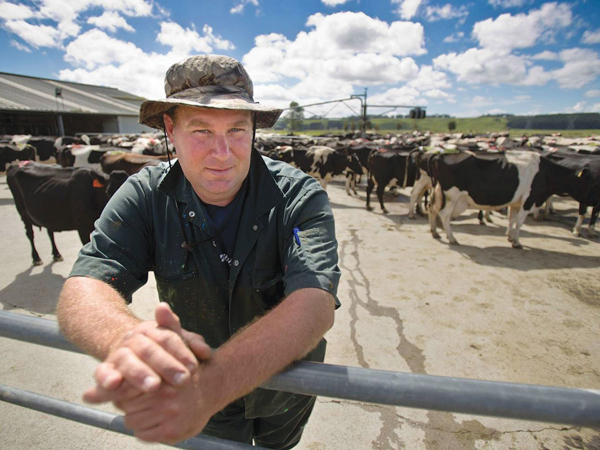
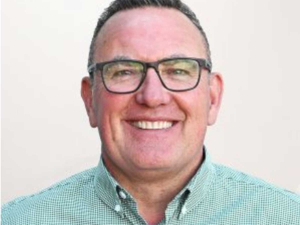
Manawatu farmer Andrew Hoggard is the new president, replacing Katie Milne who stepped down after three years in the role. Milne was Feds’ first female president.
Feds chief executive Terry Copeland is confident the newly-elected national board encompasses the depth of experience and expertise needed to maintain the organisation’s role as an effective voice for all farmers.
"Feds has been a grass roots-driven organisation for all of its 120 years and the elected leaders of our 24 provinces and our six industry groups have chosen high-calibre and committed people to sit at our top table," Copeland says.
Hoggard served as vice president for the three-year term.
Copeland says Hoggard has proved himself as an energetic and able representative, especially in his roles as spokesperson on climate change, commerce and connectivity.
Wairarapa farmer Karen Williams, who has a background in resource management and environmental planning, finishes her term as Arable industry group chair and takes on the vice-president role. The new arable chair is South Canterbury’s Colin Hurst, the 2019 ‘Arable Farmer of the Year’.
New blood on the national board includes Golden Bay Provincial president and ‘YOLO Farmer’ Wayne Langford, who has just taken up the reins as dairy industry group chair, and Wairarapa provincial president William Beetham, who is the new meat & wool industry group chair.
For the two board ‘at large’ positions, the provincial delegates have voted to retain the knowledge and experience of the two Chris’s - Waikato’s Chris Lewis, who finishes his term as dairy chair, and Canterbury’s Chris Allen, who has been integral to Federated Farmers’ advocacy on complicated water and biodiversity issues over the last three years.
Hoggard says the outgoing president, Katie Milne, had set a high standard.
"They’re big gumboots to fill. She brought her own style to the role and made it a priority to increase the level of understanding between urban and rural New Zealand.
"I want to continue that work, and also the advocacy we’ve been doing with central and local government politicians and officials on getting them to recognise that policies and regulations need to achieve a balance between protecting the environment and preserving livelihoods, always keeping practicality and cost-effectiveness in mind."
Hoggard also thanked retiring board members Miles Anderson (Meat & Wool) and Andrew Maclean (at large) for their hard work and dedication.