
Ravensdown Returns to Profit, Approves $15/Tonne Shareholder Rebate
Ravensdown has reported a net profit before tax and rebate of $50.1 million for the year ended 31 May 2026.
 increase font size
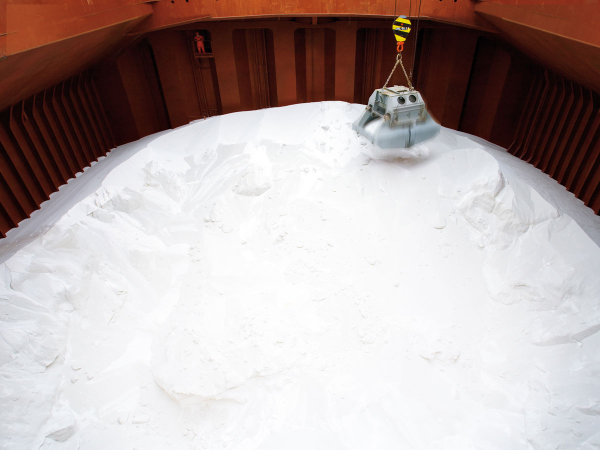 Ravensdown has dropped urea’s price by $100/t to $799/t.
Both major fertiliser co-operatives have dropped their prices as farmers start planning for spring.
Ballance came out last week, reducing the price of urea by $100/tonne to $795/t. It’s granular urea product SustaiN is $100/t cheaper, now priced at $844/t. Superphosphate drops $50/t to settle at $424/t.
Ravensdown has followed by dropping urea’s price by $100/t to $799/t. Superphosphate drops by $45/t to $429/t while Ravensdown’s coated urea product, N-Protect is now $100 cheaper and priced at $848/t.
Ballance sales manager Jason Minkhorst told Rural News that it was great to see prices start tracking to these levels.
“Driver is reduced demand globally on back of high prices and increased supply: watchout is global demand may bounce back and supply is still a risk. “However, we wanted to give our farmers confidence for spring accordingly we made some bold moves to help with on farm costs.”
Ravensdown chief customer officer Gary Bowick told farmers that while international commodity prices remain relatively volatile and some prices appear to be firming, they understand the need to meet the market and offer competitive prices for our customers.
Ravensdown has reported a net profit before tax and rebate of $50.1 million for the year ended 31 May 2026.

A new digital assistant is now helping Ballance Agri-Nutrients farmers speed up nutrient information and ordering.
OPINION: At Fieldays this year, one theme kept surfacing across the sector: global shocks are no longer something that happens “over there”. They are now translating quickly into local, farm-level impacts through increasingly complex and connected channels.
Farmer owned co-operative Ravensdown has signed a two-year naming rights sponsorship of the Canterbury A&P Show.
Nominations are now open for two directorships on the Ravensdown Board and will close at 5pm, Friday 24 July 2026.



A Palmerston North shearer has been sentenced to six months' community detention and 12 months' supervision after being found to have physically abused three lambs while shearing them.

Power Farming has launched a joint venture in Southland.
Food rescue charity Meet the Need has released its 2025/26 Impact Report, revealing a record year of growth alongside a stark warning: demand for food support across New Zealand is rising faster than supply can keep up.
As we move into the second half of 2026, the Tractor and Machinery Association (TAMA) reports that Year-to-Date figures ending June 30 saw new tractor deliveries hitting 1,386 units or 10.7% ahead of the same period in 2025.
The avocado sector is entering the new season with a larger crop and positive market opportunities.
New Zealand growers have always adapted to changing conditions, but one challenge is steadily gaining ground across the horticulture sector: resistance.