New Zealand Merino Company expands TextileGenesis traceability
The New Zealand Merino Company (NZM) is expanding its collaboration with TextileGenesis to deliver full traceability for 100% of ZQ certified wool and ZQRX regenerative wool.
 increase font size
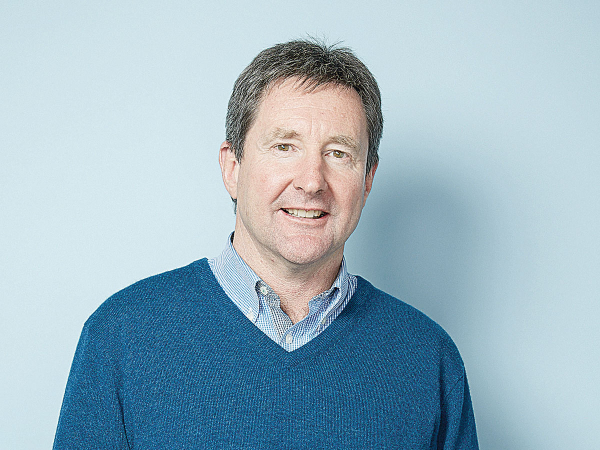 Chief executive John Brakenridge says it is a very pleasing result and shows NZM’s commitment to growth.
Christchurch-based New Zealand Merino Company is reporting its third consecutive record annual profit in its financial results for the year to the end of June.
The company says its $6.9 million earnings before interest and tax was 8% up on the previous year and was achieved on sales of 135,000 bales of wool, up 30%. Chief executive NZM John Brakenridge says this is a very pleasing result and shows the business’s commitment to growth.
“Our continued improved performance is founded on a clear strategy with strong grower and customer focus and execution. The foundation of our ZQRX regenerative initiative, which was set out pre- Covid, has resonated strongly with the market, our brand partners and our growers, and has driven the very good growth in demand seen during the year.”
Brakenridge told Rural News what was particularly pleasing was the growth of the business in terms of bales handled and its ability to make an impact for growers, during a time of a lot of uncertainties.
With net profit up 3% to $4.4 million, the company is paying a dividend of 41.6 cents per share. Based on the yearend share price of $6.87, the dividend represents a yield of 6.1%.
The company adopted a new constitution and did a capital raise two years ago to list on the NZ Stock Exchange’s secondary board, the USX. Brakenridge says that entailed producing a Product Disclosure Statement forecasting the next two years profit, but the actual profit outperformed that by 82%.
Brakenridge says the company has been working on developing markets, like the “active outdoors” market for merino garments, with people being much more aware of what they wear and moving away from synthetics.
The company now claims 70% of the merino wool market in New Zealand and is also buying from growers in South Africa and Australia, where it has recently appointed a manager to handle the Australian market.
“We are building relationships with growers in Australia to meet the amount of demand that we have coming our way,” Brakenridge adds.
“We are expecting growth to continue through to 2023, with strong bale volumes and a deepening of our presence in Australia to support extension and investment in market initiatives.”
The New Zealand Merino Company (NZM) is expanding its collaboration with TextileGenesis to deliver full traceability for 100% of ZQ certified wool and ZQRX regenerative wool.
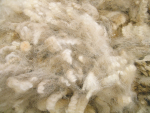
The first phase of a Ministry for Primary Industries (MPI) investigation into allegations of mistreatment of sheep connected to shearing practices has been completed.
Animal rights protest group PETA is calling for Agriculture Minister Todd McClay to introduce legislation which would make it mandatory to have live-streaming web cameras in all New Zealand shearing shed.
The New Zealand Merino Company (NZM) says it will investigate claims of animal cruelty made by animal rights group PETA.
OPINION: It seems wokeness is now well and truly infecting the brains trust at The New Zealand Merino Company, which now wants farmers to give lambs pain relief during tail docking.


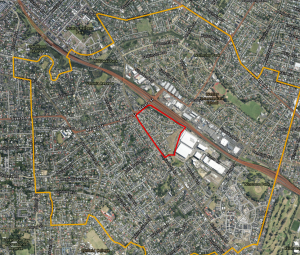
Legal controls on the movement of fruits and vegetables are now in place in Auckland’s Mt Roskill suburb, says Biosecurity New Zealand Commissioner North Mike Inglis.
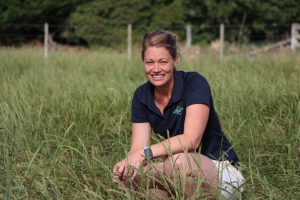
Arable growers worried that some weeds in their crops may have developed herbicide resistance can now get the suspected plants tested for free.
Fruit growers and exporters are worried following the discovery of a male Queensland fruit fly in Auckland this week.
Dairy prices have jumped in the overnight Global Dairy Trade (GDT) auction, breaking a five-month negative streak.
Alliance Group chief executive Willie Wiese is leaving the company after three years in the role.
A booklet produced in 2025 by the Rotoiti 15 trust, Department of Conservation and Scion – now part of the Bioeconomy Science Institute – aims to help people identify insect pests and diseases.