Fonterra FY26 Results: $9.69 Milk Price, $3.4bn Profit
Fonterra has unveiled its annual results for the 2026 financial year, posting $27 billion in revenue and close to $20 billion returned to New Zealand farmer owners and unit holders.
 increase font size
 John Wilson
Could Fonterra have predicted the current downturn in dairy prices?
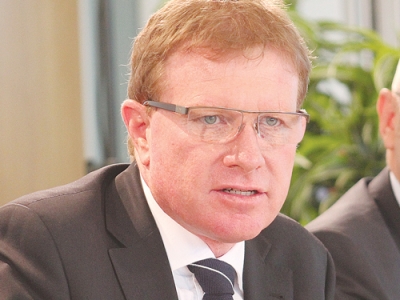
That’s the question the co-op board is looking into, doing more analysis of international markets to determine whether the downturn could have been forecast correctly, says chairman John Wilson.
He told Rural News that during the last 12 months the co-op found it “increasingly difficult” to forecast prices.
Other dairy companies around the world faced a similar problem. “I was in Europe recently and their two major cooperatives -- Arla and FrieslandCampina -- said they also have struggled to forecast.”
He says “unexpected significant events” also impaired their ability to forecast correctly.
Milk production in Europe boomed as prices rose; Russia’s ban on European and Australian dairy products caused the global market to flood with milk; and supply/demand analysis in China was affected by inability to get accurate data.
Wilson says Fonterra is keen to find out if the current downturn could have been correctly forecast.
Meanwhile Wilson says the growth in global milk production is slowing as low returns force farmers to milk fewer cows.
Growth in Europe for the year ending July 2015 was less than 1%. DairyNZ expects New Zealand milk production to be down 2% this season.
In the US, milk production varies between the West Coast and Mid-West regions; milk production across the US is expected to grow 1.5-2% but the domestic demand is growing.
Wilson says the drop in production is pleasing in respect of commodity pricing. He expects less milk to help lift prices but cautions that the next six months will be crucial.
“A lot depends on weather conditions and how much milk is produced around the world,” he says.
Farmers worldwide are struggling to sell milk below the cost of production.
NZ farmers are looking at their farm systems -- looking to maximise pasture usage and buying less supplement.
While the global market is awash with milk, demand is varied across the markets, says Wilson. Demand in Middle East and Africa is significantly up while South American demand is down due to economic weakness.
In China, the world’s biggest market for dairy products, demand is soft as the country works through large inventories. “There has also been strong milk production in China in 2014.”
Fonterra has unveiled its annual results for the 2026 financial year, posting $27 billion in revenue and close to $20 billion returned to New Zealand farmer owners and unit holders.
Fonterra Co-operative Group has confirmed the independently assessed candidates standing for election to its board in 2026.
Fonterra has revised its Farmgate Milk Price forecast for the 2026/27 season, lifting the midpoint and narrowing the range on the back of improving global dairy commodity prices.
Outgoing Fonterra Co-operative Council chair John Stevenson says that it has been a privilege to represent the co-op's farmer shareholders.
OPINION: It seems Canterbury processor Synlait is still in the doldrums.



Federated Farmers says it welcomes Labour's commitment to reviewing the Sharemilking Agreements Act, calling on other major parties to do the same.
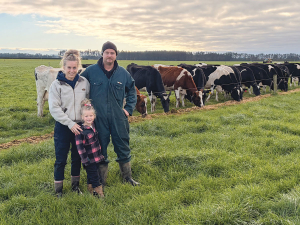
For Canterbury dairy farmers Sian Meijer and Rick Wobben, wearable technology has become one of their most valuable on-farm tools - helping manage 1850 cows across an expansive, high-performing dairy operation while improving efficiency, mating outcomes and day-to-day decision making.
Fonterra has unveiled its annual results for the 2026 financial year, posting $27 billion in revenue and close to $20 billion returned to New Zealand farmer owners and unit holders.
The first major update to the Dairy Cattle Code of Welfare in more than a decade has been released, marking what DairyNZ describes as an important step in ensuring animal welfare standards continue to evolve alongside scientific evidence and on-farm realities.
Ravensdown shareholders have elected Jane Montgomery and Kate Acland to the Ravensdown Board for three-year terms, following a closely contested director election.
Federated Farmers says new legislation replacing the Resource Management Act will cut red tape, unlock investment and help grow New Zealand's export-led economy, after the Planning Bill and Natural Environment Bill passed their third reading in Parliament yesterday.