Virtual fencing and herding systems supplier, Halter is welcoming a decision by the Victorian Government to allow farmers in the state to use the technology.
Halter chief executive Craig Piggott says virtual fencing is a rapidly-growing, transformative technology around the world and in other Australian states — and it's now coming to Victoria.
Piggott says Victorian farmers will be delighted they can soon access virtual fencing, following the modernisation of outdated laws that were blocking its introduction.
"We have 100 farmers across Victoria and NSW already signed up to Halter, and we’ll now take the exciting step of working with them to bring virtual fencing to their farms."
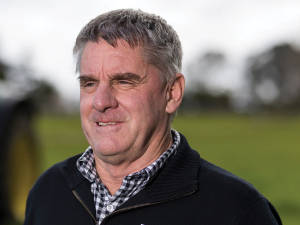
Dairy farmer Bruce Glasgow, from Derryvale Dairy in South Gippsland, says he can’t wait to start using virtual fencing, because it will deliver multiple benefits to his farm, including giving him more hours back in his day.
“Huge advantages in labour savings, growing more grass and utilising more grass,” he says.
“The time spent strip grazing fences, walking behind cows for milking, I could better use my time than sitting on a quad bike.”
The Victorian Government announcement comes six months after the government signalled its intention to develop new regulations that support virtual fencing.
Brent Thomas, Halter director of strategic relations, commended the Victorian Agriculture Minister Ros Spence for listening to farmers and experts in the development of new regulations.
Thomas said he was hopeful that other Australian states would announce similar new regulations permitting virtual fencing soon.
Halter and other manufacturers of the technology can now apply to Agriculture Victoria for their virtual fencing technology to be approved, with the first products expected to be approved in early February 2026. The approval conditions will include requirements for record keeping and reporting.
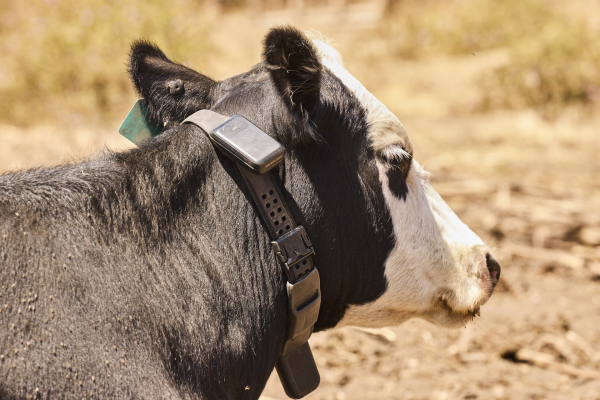
Farmers adopting this technology, which uses collars with GPS and wireless technology to control livestock without physical fences, will need to comply with certain requirements – using approved technologies, completing manufacturer training, maintaining a physical boundary fence or barrier and ensuring collars are checked regularly.
According to a Victorian Government statement, the new regulations were developed following engagement with industry, manufacturers, researchers and animal welfare groups on virtual fencing to better understand the impacts of this technology on animal welfare.
Spence says they are striking the right balance between farm productivity and animal welfare.
‘And it’s clear that this technology provides great on-farm benefits for farmers across the state,” he says.
“We’ve ensured we have appropriate safeguards in place to protect animal welfare, while enabling innovation. These new regulations and permit system provide the framework to achieve this.”
A demonstration of virtual fencing technology took place at Agriculture Victoria’s Ellinbank SmartFarm in Gippsland between July 2024 and May 2025 – giving famers a better understanding close to home.
Dairy cattle were fitted with solar-powered smart collars that use audio, vibration and electronic cues to contain animals within a virtual fence and guide them to areas of the farm via a mobile phone app. The system also allowed farm staff to monitor the cows’ location, health and reproductive status.
The trial demonstrated how virtual fencing technology can enhance livestock management, enabling farmers to monitor animal health and location in real time. Cows adapted well to the system, with milk yields remaining consistent with expectations.