M.I.A.
OPINION: The previous government spent too much during the Covid-19 pandemic, despite warnings from officials, according to a briefing released by the Treasury.
 increase font size
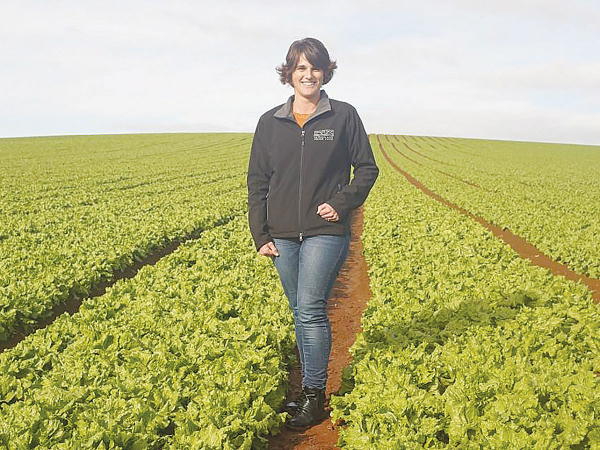 Pukekohe Vegetable Growers Association president Kylie Faulkner says growers are looking at possible scenarios and how they may deal with it.
Vegetable growers in South Auckland are bracing for Omicron and making contingency plans to deal with the fallout.
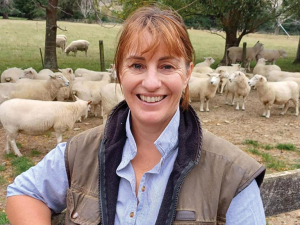
Pukekohe Vegetable Growers Association (PVGA) president Kylie Faulkner says growers are looking at possible scenarios and how they may deal with it.
"There is no simple answer and all no businesses plans would be the same," she told Rural News.
"This may mean issues with supply at the time of an outbreak or possibly further down the track - like impact of possibly not being able to plant seedlings."
Faulkner says like other growers, PVGA members are also feeling the brunt of Covid.
"Covid has caused additional pressure on all primary producers. For members it is around managing the safety of our staff, working in bubbles, pressures of working in lockdowns and border controls in and out of Auckland.
"We are now entering our third year of this."
On top of Covid, labour shortage remains an ongoing issue.
"I don't see this getting any better, any time soon," says Faulkner.
Potatoes NZ says it is following government guidelines and sharing all relevant information such as planning for infection on farm, where to find RATs and critical worker registration with its members.
PNZ spokeswoman Gemma Carroll says so far there have been no reports of any major disruption in the potato sector.
She says harvesting is continuing.
"We hope there are no disruptions. Time will tell," she told Rural News.
She says the last spring and summer delivered a mixed bag of weather; a couple of rain events challenged growers in Horowhenua and Canterbury.
In Pukekohe, south of Auckland, early crops were hit by wind, but pre-spring moisture was good.
Then in late November-December the big dry has hit, says Carroll.
"Irrigation is generally very challenging, with growers needing to constantly move equipment from paddock to paddock.
"The blocks here are smaller and the terrain too undulating, for pivots. Irrigation guns are a highly efficient use of water but they're about all the industry use here at present,"
In Canterbury a huge deluge before Christmas meant some disruption for late plantings and some crop loss.
"The big rain affected the normal petiole range and this has meant unrestricted canopy growth.
"Canterbury is lucky to have irrigation schemes. The otherwise dry weather has been managed with irrigation," she says.
OPINION: The previous government spent too much during the Covid-19 pandemic, despite warnings from officials, according to a briefing released by the Treasury.
OPINION: Labour leader Chris 'Chippy' Hipkins is carrying on the world-class gaslighting of the nation that he and his cohorts started after their disastrous Covid response; now trying to undermine the Covid inquiry to protect his own backside.
OPINION: Did former PM Jacinda Ardern get fawning reviews for her book?
OPINION: Welcome to the second annual NZ Dairy Expo at Matamata – an event created to bring together the best of the New Zealand dairy industry in a focused, grassroots environment where dairy farmers and rural professionals can meet, talk, compare products, and make smart decisions for their farms.
It's a bloody tough year for sheep farmers, but the worst may be over, and the future looks optimistic.

The Government is introducing a new nationwide rural recycling scheme that will significantly increase the recovery of farm plastics from March next year, Minister for the Environment Nicola Grigg announced today.
B+LNZ's Wormwise veterinarian Mary Bowron has won the Best Sheep and Beef Vet of the Year Award in recognition of her outstanding contribution to New Zealand’s sheep and beef sector.
Researchers at Massey University are using a special piece of scientific equipment to improve the measurement of greenhouse gas emissions from pasture soils.
More signs of a booming kiwifruit sector.
OPINION: David Seymour and James Meager's plan to make it easier for farmers and orchardists to operate drones can best be described a 'courageous' move.
New Zealand wool is reaching new heights as air filtration companies move away from synthetic products to biodegradable alternatives.