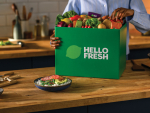
HelloFresh Green Box Launch Supports New Zealand Produce and Protein
Local growers and farmers are set to benefit from a refreshed offering from meal kit provider Hello Fresh.
 increase font size
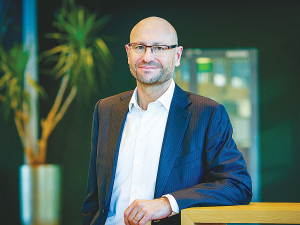
 Clinical psychologist Jacqui Maguire.
"What's for dinner?" may sound like a simple question, but for many Kiwi parents, answering it has become a job in itself.
New nationally representative research commissioned by HelloFresh finds that 80% of New Zealanders with dependent children say thinking, organising and planning dinner before cooking takes more effort than they wish it did, compared with 59% of those without children.
Across the wider population, 66% of Kiwis feel the same way.
The study, conducted by Talbot Mills Research, finds the responsibility of making dinner is often concentrated to one person. 58% of New Zealand adults say they carry most or almost all of the responsibility for deciding and preparing dinner.
The findings show the pressure is particularly pronounced among parents and younger New Zealanders. 83% of parents say making everyone happy with the meal should be easier, while 81% say the same about finding time to cook.
Women are more likely to carry the load than men. Half of women surveyed say dinner responsibility falls almost entirely to them, compared with 29% of men.
Among younger adults, 75% of 18–29-year-olds and 76% of 30–44-year-olds say dinner planning takes more effort than they wish it did, compared with 46% of people aged 60 and over.
Clinical psychologist Jacqui Maguire says much of the pressure associated with dinner builds before the cooking even begins.
"The mental load of dinner isn't just the cooking. It's being the person who has to remember that dinner needs solving in the first place," Maguire says.
"What looks like one task, getting dinner on the table, is actually a chain of cognitive work: anticipating what the household needs, deciding what everyone will eat, keeping track of ingredients and budgets, and fitting it around everything else happening that day."
Maguire says none of those decisions is particularly demanding in isolation. "The pressure comes from their accumulation, particularly when the same person is responsible for anticipating, remembering and coordinating them day after day."
"That distinction matters because we often notice the visible work in a household, such as who cooked, who shopped and who cleaned up, but much of the cognitive work happens invisibly in the background," Maguire says. "Reducing that load isn't simply about making cooking faster. It's about reducing the number of things someone has to hold in their head."
Parents are clear about what would ease that pressure.
85% say quicker recipes would help reduce the stress of organising dinner, while 80% say sharing responsibility would help.
Greater variety would help 79%, while 77% want meals suited to different dietary needs and preferences, and 64% say ingredient delivery would reduce the stress.
HelloFresh New Zealand Managing Director & VP Operations Claudia Baptista-Fernandes says the findings reinforce that New Zealanders are looking for ways to simplify the entire dinner process, not only the cooking.
"The research shows New Zealanders want fewer decisions, greater variety, meals that work for different tastes and needs, and fewer practical steps before cooking begins," Baptista-Fernandes says.
"HelloFresh brings these elements together through a broad choice of meals, fresh pre-portioned ingredients and straightforward recipes delivered to the door, helping make the journey from 'what's for dinner?' to dinner on the table simpler.
"A midweek win does not need to be complicated. Sometimes it is simply knowing what you are making, having everything ready and being able to enjoy the experience."
More information is available at hellofresh.co.nz.
Local growers and farmers are set to benefit from a refreshed offering from meal kit provider Hello Fresh.
New research reveals that New Zealand households have made progress in reducing food waste over the past year, cutting the annual amount wasted by an estimated $300 million in the past year alone.
OPINION: This old mutt hears that international meal delivery giant HelloFresh has been accused of using coconut milk obtained using 'forced monkey labour' in Thailand.
Meal kit company HelloFresh has seen a significant lift in the volume of orders as it expands its share of the New Zealand market and doubled its menu.

Farmer-owned fertiliser company, Ballance Agri Nutrients is welcoming National’s plan to negotiate security agreements with key supplier countries to protect New Zealand-bound products from export restrictions and greater supply chain certainty.

Carrfields has announced the appointment of Stu Hall to the newly created role of chief operating officer, Carrfields Ltd, reflecting the continued growth of their agribusinesses and the need to ensure the company has the leadership capacity and support in place as it pursues the emerging opportunities ahead.
New Zealand's role is not to compete with Indian growers, according to NZ Apples and Pears.
The potato industry is celebrating the success of two rising stars - James Blair, the 2026 Young Grower of the Year and runner-up and innovation award winner, Amber Davy.
Twenty-eight emerging leaders from across the horticulture sector spent two days last month learning valuable skills and connecting with industry experts.
There are five entrants in this year’s Young Horticulturist of the Year, competing in a series of technical, practical, business and leadership challenges.