
HelloFresh Launches Country Cookout Box in NZ
HelloFresh New Zealand has launched a limited-edition Country Cookout Box of Southern-inspired meals, arriving as the 2026/27 rodeo season gets underway.




 increase font size
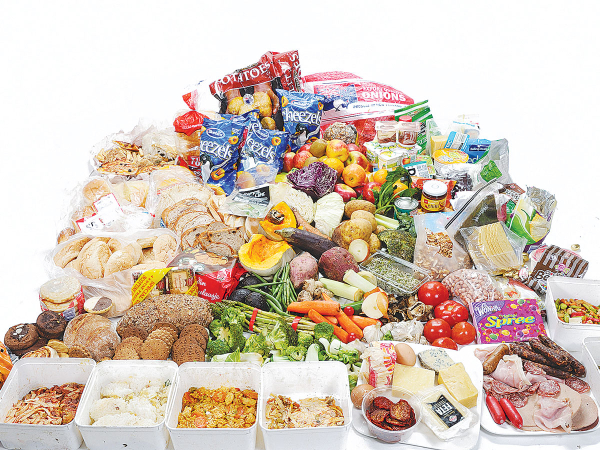 Forty nine per cent of all New Zealand households have taken action to reduce their food waste over the past 12 months.
New research reveals that New Zealand households have made progress in reducing food waste over the past year, cutting the annual amount wasted by an estimated $300 million in the past year alone.
Forty nine per cent of all New Zealand households have taken action to reduce their food waste over the past 12 months.
HelloFresh’s study of 1,500 New Zealanders was undertaken to gain an understanding of Kiwi food waste habits and how the results stack up year-on-year.
The findings come as rugby star Portia Woodman-Wickliffe teams up with HelloFresh and food rescue charity KiwiHarvest for a ‘team talk’ on Kiwis food waste habits.
Since partnering with HelloFresh in 2023, Woodman-Wickliffe has been actively championing the reduction of household and food waste and says she applauds the efforts of Kiwi households.
“It’s encouraging to see so many Kiwis doing the mahi at home to reduce food waste,” she says. “By taking simple steps like meal planning, cooking the right portions and storing food properly we can make a huge difference.”
Of the 1,500 Kiwis surveyed, 60% said they spend between $200 - $499 per week on food, up from 45% in 2023.
Those who spend less tend to be more mindful about waste, with 24% of households spending under $100 per week, reporting a significant reduction in the past 12 months.
On average, an estimated 9% of a household’s weekly food shop goes to waste, equating to $1,326 worth of food waste per household per year.
New Zealanders aged 18-29 have the highest rate of food waste, with 12.3% of their weekly food shop going to waste, compared to the national average of 9%.
Angela Calver, chief executive of KiwiHarvest, says food waste is an “undeniable” environmental issue.
“We’re proud to have just reached the milestone of celebrating 13 million kilograms of food rescued and redistributed to vulnerable communities since we started up in 2012 – but there is so much more work to be done,” Calver says.
She says that KiwiHarvest, alongside other food rescue organisations, is experiencing significant funding cuts and growing demand, “so it’s equally as important for Kiwis to help relieve the pressure on the environment by doing their bit at home”.
Claudia Baptista-Fernandes, managing director of HelloFresh New Zealand, commends the collective effort of both Kiwis and organisations like KiwiHarvest, highlighting how meal kits can play a role in reducing food waste.
“At HelloFresh, we are committed to reducing food waste globally by focusing our efforts on everything from the supply chain right to the home kitchen,” she says.
HelloFresh New Zealand has launched a limited-edition Country Cookout Box of Southern-inspired meals, arriving as the 2026/27 rodeo season gets underway.

"What's for dinner?" may sound like a simple question, but for many Kiwi parents, answering it has become a job in itself.
Local growers and farmers are set to benefit from a refreshed offering from meal kit provider Hello Fresh.
Kiwis are wasting less of their food than they were two years ago, and this has been enough to push New Zealand’s total household food waste bill lower, the 2025 Rabobank KiwiHarvest Food Waste survey has found.
For Wonky Box co-founder Angus Simms, the decision to open the service to those in rural areas is a personal one.


Federated Farmers has welcomed new rural policies released by ACT, saying they align closely with its own election priorities.

Rural Contractors NZ says proposed changes to land transport rules for agricultural vehicles are a welcome response by the Government to out of date regulations which have seen members hit with huge fines.
Alliance is calling for final applications for its 2027 Graduate Programme, with applications closing on Sunday 25 October.
Decades piloting planes has ensured vet and farmer David Hayes is focused on safety. So, after a serious accident while welding on farm, he is sharing his experience so others can learn from it.
Canterbury milk processor, Synlait Milk has confirmed Leon Fung as its chief executive officer.
OPINION: Making it easier to collect rainwater and use it to grow crops and livestock is a no brainer.


OPINION: The same mainstream media muppets that brought you Jacindamania in 2017 have been flat out pimping for the Opportunities…
OPINION: Your old mate reckons the atrocious way farmers in the UK are treated by their lords and masters in…




