80% of NZ Parents Say Dinner Planning Is Too Much Effort
"What's for dinner?" may sound like a simple question, but for many Kiwi parents, answering it has become a job in itself.
 increase font size
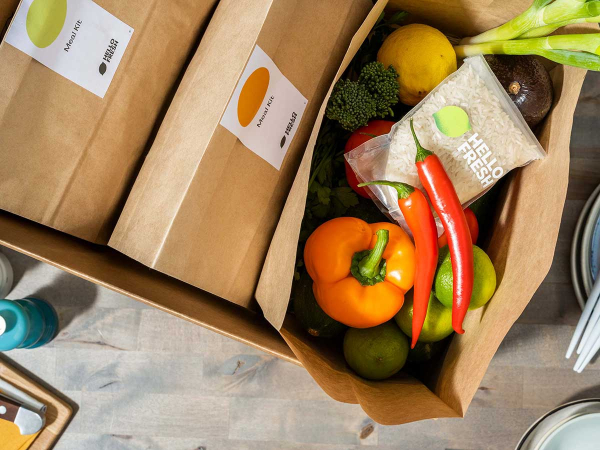 Meal kit company Hello Fresh NZ says revenue for the company has grown 143% in the past two years.
Meal kit company HelloFresh has seen a significant lift in the volume of orders as it expands its share of the New Zealand market and doubled its menu.
HelloFresh launched in New Zealand in late 2018 with a meal kit model that delivers fresh ingredients and recipe cards to thousands of customers’ front doors weekly.
Local growers and food suppliers from around the country are also benefitting from the company’s increasing market share and are now shipping more than 150 tonnes of fresh produce each week to the company’s Auckland distribution centre where the meal kits are manufactured.
The company is currently increasing the number of meal options available to customers and now offers more than twice as many recipes on the menu each week – as well as a new range of sides, desserts and lunch options.
A consumer healthcare trend towards online food shopping and nationwide expansion of their distribution network is also seeing their demand rise with their meal kits now accessible to over 84% of the population, up from 72% last year.
In the fourth quarter of 2020, HelloFresh NZ grew its revenue by 143% year-on-year, reaching over $51.8 million for the period.
The company’s local workforce has almost tripled its number of New Zealand employees in the past year.
Tom Rutledge, HelloFresh NZ’s chief executive, says the company distributes over half a billion meal kits to households around the world annually and New Zealand is one of their fastest growing markets.
He says the Covid-19 pandemic has led to the increased trial of their meal kits as customers look to alternatives to visiting the supermarket.
“The lockdowns drove an increase in sales as people turned to meal kits as a way of minimising the need to leave home for groceries,” Rutledge says.
Over the past two years, the company has worked with dozens of meat, dairy and produce suppliers who have seen demand for their product grow by as much as 120% over the past six months.
The volume of product includes nearly 2 million kg of chicken, beef and lamb, 5 million potatoes, 3 million onions, and 150,000 litres of yoghurt.
James Massey, managing director of Botany Group, which produces Greek yoghurt, sour cream and other dairy products in Canterbury, says an increasing proportion of their business is now dedicated to meeting the demand from HelloFresh.
“Our supply volumes to HelloFresh have grown exponentially over the past year which has seen us expand capacity and add on more production shifts to accommodate their orders.
“The consistency of order volumes in this channel has also allowed us to invest in new specialised equipment which also provides new capability to grow into other markets,” Massey says.
Rutledge says maintaining strong local supply networks has been an integral part of the company’s success over the past two years.
“We take pride in offering Kiwis a very diverse range of HelloFresh meals and our local supply chains are a fundamental part of the appeal of our product. We know that our customers value the flexibility of our offering and the opportunity to have a direct impact on the recipes.”
"What's for dinner?" may sound like a simple question, but for many Kiwi parents, answering it has become a job in itself.

Local growers and farmers are set to benefit from a refreshed offering from meal kit provider Hello Fresh.
New research reveals that New Zealand households have made progress in reducing food waste over the past year, cutting the annual amount wasted by an estimated $300 million in the past year alone.
OPINION: This old mutt hears that international meal delivery giant HelloFresh has been accused of using coconut milk obtained using 'forced monkey labour' in Thailand.


Farmer-owned fertiliser company, Ballance Agri Nutrients is welcoming National’s plan to negotiate security agreements with key supplier countries to protect New Zealand-bound products from export restrictions and greater supply chain certainty.

Carrfields has announced the appointment of Stu Hall to the newly created role of chief operating officer, Carrfields Ltd, reflecting the continued growth of their agribusinesses and the need to ensure the company has the leadership capacity and support in place as it pursues the emerging opportunities ahead.
New Zealand's role is not to compete with Indian growers, according to NZ Apples and Pears.
The potato industry is celebrating the success of two rising stars - James Blair, the 2026 Young Grower of the Year and runner-up and innovation award winner, Amber Davy.
Twenty-eight emerging leaders from across the horticulture sector spent two days last month learning valuable skills and connecting with industry experts.
There are five entrants in this year’s Young Horticulturist of the Year, competing in a series of technical, practical, business and leadership challenges.