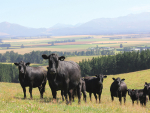
BVD Control Begins Long Before You See A Problem
Bovine Viral Diarrhoea (BVD) is sometimes viewed as a dairy industry issue, but the reality is that the disease can have serious consequences for beef breeding herds as well.
 increase font size
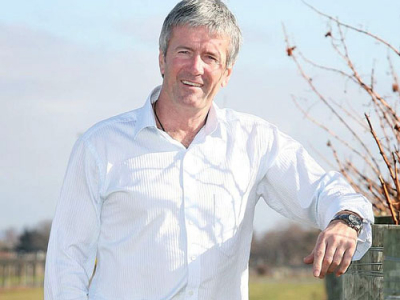 Minister for Agriculture and Biosecurity Damien O’Connor.
The Government is in line with primary sector industry leaders when it comes to biosecurity, says the Minister for Agriculture and Biosecurity Damien O’Connor.
The KPMG Agribusiness Agenda report, released today at the National Fieldays, reveals having a world class biosecurity system is top priority for the leaders surveyed.
“Biosecurity risks can threaten our economy and way of life. This Government understands that if we are to keep pace with the increasing levels of goods and people across our borders we need to step up our efforts in biosecurity,” says O’Connor.
“A pleasing result from the survey was a recognition from industry that biosecurity is everyone’s job and that everyone has a role to play in dealing with the risk.
“The strong partnership formed between industry and Government in the fight against Mycoplasma bovis has demonstrated that we can come together effectively when needed.
“But there’s plenty of work to do to improve our ability to respond effectively to major incursions. High on the list is improving compliance with the National Animal Identification and Tracing (NAIT) system, as we have seen throughout the Mycoplasma bovis response.”
O’Connor says not enough farmers have been complying with NAIT, and there’s a growing understanding throughout the sector that this needs to change.
“This year I’ve accelerated a year-late report into the effectiveness of NAIT and have instructed my officials to make the appropriate improvements, including making it easier to use.
“To give biosecurity the attention it deserves, I’ve reorganised the Ministry for Primary Industries, to create Biosecurity New Zealand, a stand-alone unit whose sole focus is biosecurity.
“In addition, I’ve signalled that the Biosecurity Act is past its use-by date and needs a thorough review. The current Act gives us a solid foundation, but we need to make sure it is fit for purpose in a rapidly changing world.
“This is a big job and needs to be carefully considered with strong input from industry and the public. I expect it to begin after we have dealt with the Mycoplasma bovis threat.”
Bovine Viral Diarrhoea (BVD) is sometimes viewed as a dairy industry issue, but the reality is that the disease can have serious consequences for beef breeding herds as well.

Election years are always a concerning time for farmers, according to DairyNZ chair Tracy Brown.
Testing confirms H5 bird flu in a single northern giant petrel, found dead on a remote Cape Palliser beach in the Wairarapa, says Dr Mary van Andel, the Ministry for Primary Industries' (MPI) Chief Veterinary Officer.
Bovine Viral Diarrhoea (BVD) is sometimes viewed as a dairy industry issue, but the reality is that the disease can have serious consequences for beef breeding herds as well.
Four years since it was first detected in New Zealand, researchers and growers now know much more about management of maize pest fall armyworm (FAW).


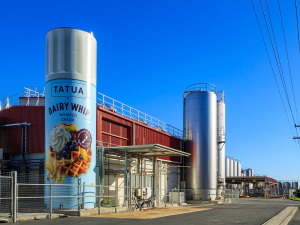
Waikato milk processor Tatua has again declared a record milk payout to farmer shareholders, leaving other processors in the dust.

A Labour-led Government won’t be bringing back the controversial freshwater rules of 2020.
National’s much-touted free trade deal with India featured in the Rural Issues Debate at Mystery Creek, Hamilton on Wednesday night.
New Zealand's 2026-27 freshwater fishing season has opened, with anglers encouraged to head to rivers and lakes over the coming days as conditions look favourable across much of the country.
Central Otago District Council (CODC) has voted against a plan to spread treated sewage sludge from Cromwell and Alexandra on farmland near Lauder, a decision Federated Farmers says reflects strong opposition from rural residents.
Pāmu has released its FY26 Integrated Annual Report, reporting a Net Operating Profit of $113 million, more than double the $49 million recorded in FY25.