BVD Control Begins Long Before You See A Problem
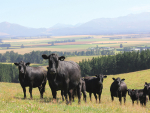
Bovine Viral Diarrhoea (BVD) is sometimes viewed as a dairy industry issue, but the reality is that the disease can have serious consequences for beef breeding herds as well.




 increase font size
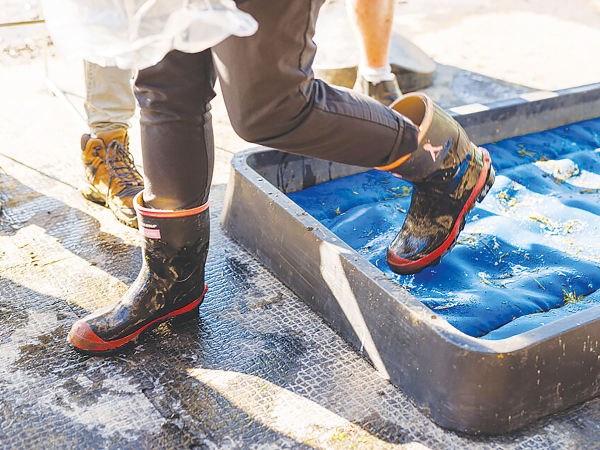 Good biosecurity practices also help to manage endemic diseases like Bovine viral diarrhoea (BVD) and Johne’s disease.
OPINION: When it comes to biosecurity, we often hear about the end of a response, but it’s the beginning that helps determine our success.
August is Biosecurity Awareness Month and a timely reminder that we need to stay vigilant to help protect our valuable dairy sector.
In June, it was reported that New Zealand could be provincially declared free of Mycoplasma bovis (M. bovis) as early as October 2025; A huge milestone and one we should be proud of.
It’s a milestone that could only be achieved through the tough decisions made along the way.
We want to take the experiences and lessons we had through the M. bovis response to prepare for future disease outbreaks.
We recently signed a new operational agreement on Foot and Mouth Disease (FMD) with the Government and sector partners which sets out how the costs of FMD readiness and response activities will be shared.
It also creates legally binding participation of industry in decision-making, ensuring that farmers’ interests, knowledge, and input is heard.
It is a real partnership, not only between the sector and Government but also within sector partners.
As part of the agreement, dairy, beef, sheep, pork, and deer farmers are represented, as well as dairy and meat processors. Each has a strong voice at the negotiation table.
As the inaugural chair of the Foot and Mouth Disease Council it’s something that I’m personally proud to have achieved. And I want to keep that momentum going.
We are reviewing our FMD operational plans and looking at the role the sector plays during a response.
We want to boost our workforce capability and capacity, so we have the right people with the right knowledge in place if we had another serious disease outbreak.
We are also focusing on refining the compensation system. We need a pragmatic and fair system that will provide farmers with the support they need. That includes timely, fair, and consistent compensation that allows farmers to get back to business as fast as possible.
Good biosecurity practices not only provide a degree of protection against potential exotic disease outbreaks, but they can also help to manage endemic diseases like Bovine viral diarrhoea (BVD) and Johne’s disease.
It can be as simple as:
Biosecurity is not just about emergencies, it's about a consistent and integrated approach to risk reduction, readiness, response, and recovery.
Getting the planning right isn't just important, it's everything.
Campbell Parker is DairyNZ chief executive.
Bovine Viral Diarrhoea (BVD) is sometimes viewed as a dairy industry issue, but the reality is that the disease can have serious consequences for beef breeding herds as well.

Election years are always a concerning time for farmers, according to DairyNZ chair Tracy Brown.
Testing confirms H5 bird flu in a single northern giant petrel, found dead on a remote Cape Palliser beach in the Wairarapa, says Dr Mary van Andel, the Ministry for Primary Industries' (MPI) Chief Veterinary Officer.
Bovine Viral Diarrhoea (BVD) is sometimes viewed as a dairy industry issue, but the reality is that the disease can have serious consequences for beef breeding herds as well.
Four years since it was first detected in New Zealand, researchers and growers now know much more about management of maize pest fall armyworm (FAW).


Dairy processors are ready to further boost New Zealand’s export earnings but want the incoming government to match their ambition with good policy.

Massey University is best placed to solve the “problems” facing the dairy industry, says vice chancellor, Pierre Venter.
Synlait's longest serving employee – a man who joined the Canterbury-based milk processor even before it began processing milk – is now its newest executive.
A dairy industry leader believes eradicating the common and costly disease, Bovine Viral Diarrhoea (BVD) is within reach.
A farmgate milk price of $10/kgMS this season is firming up as milk powder prices soar and the New Zealand dollar weakens.
Federated Farmers has welcomed new rural policies released by ACT, saying they align closely with its own election priorities.




OPINION: The same mainstream media muppets that brought you Jacindamania in 2017 have been flat out pimping for the Opportunities…
OPINION: Your old mate reckons the atrocious way farmers in the UK are treated by their lords and masters in…




