China No Longer Just A Commodity Story - Luxon
China remains New Zealand’s biggest market, taking $23 billion of our exports, but it’s no longer a commodity story, says Prime Minister Christopher Luxon.
 increase font size
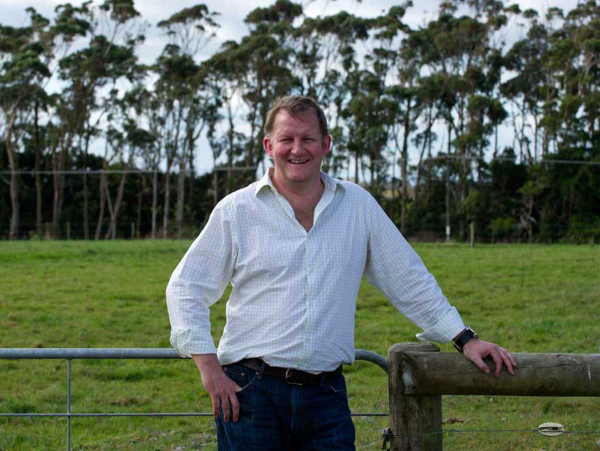 Massey University Professor of Agribusiness, Hamish Gow.
The coronavirus epidemic is going to have a bigger impact than people think it is, according to Massey University Professor of Agribusiness, Hamish Gow.
He says the crisis has only been going for a month and believes that the full impact of the situation has yet to be felt by the country and – in particular – the rural community. Gow believes there is a greater level of financial stress across the industry than what many people perceive. He says it is likely that farmers will put away their cheque books and stop spending to preserve their cash-flow position.
“I think farmers are well aware of what is going on in the international market place and reports recently from the field days in the South Island suggest that farmers were looking rather than buying,” he told Rural News.
Gow says the coronavirus is most likely to affect perishable products going into China. He says this will tend to affect the meat industry more than the dairy sector. He notes there are reports of farmers have to wait up to three to four weeks to get stock killed at meat works in some parts of the country.
Gow says some companies are very exposed to the China market and we will just have to see how this situation plays out.
He says it raises the question of how strongly some NZ companies have been focused on the China market.
China remains New Zealand’s biggest market, taking $23 billion of our exports, but it’s no longer a commodity story, says Prime Minister Christopher Luxon.

Fonterra is strengthening its foodservice presence in China with the launch of a new cream for professional bakeries at Bakery China 2026 in Shanghai.
OPINION: What does the birth rate in China have to do with stock trading? Just ask a2 Milk Company.
Additional tariffs introduced by the Chinese Government last month on beef imports should favour New Zealand farmers and exporters.
One of the most galling aspects of the tariffs whacked on our farm exports to the US is the fact that, now more than ever, US farmers are being propped up by government welfare – a direct result of Trump’s hardline on its trading partners.


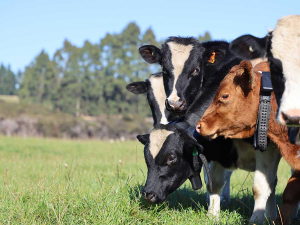
High country stations, mixed sheep and beef farms, Māori-owned farms, corporates and family operations are among the nine commercial farms taking part in the Livestock Innovation Farming Transformation programme, known as LIFT.
OPINION: New health and safety guidance unveiled by the Government recently provides farmers greater certainty about what is expected of them when managing risks on farm.
The National Animal Welfare Advisory Committee (NAWAC) is seeking public feedback on proposed changes to the Code of Welfare for Rodeos.
A New Zealand initiative supporting farmers to restore the health of grazing landscapes has received international backing through the Regenerative Fund for Nature, a global collaborative fund supporting regenerative agriculture and the communities that produce natural fibres for the fashion industry.
Combine premium New Zealand products, blend in a family ritual and what do you get? A world-class functional drink.
Entries are now open across eleven regions for the 2027 New Zealand Dairy Industry Awards (NZDIA).