
Growers See Red Over Proposed Blueberry Import Standards
New import standards could put New Zealand’s blueberry industry and the wider horticulture industry at risk.
 increase font size
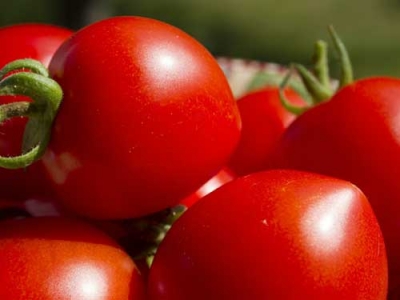
New Zealand retailers are being reminded to clearly label their irradiated tomatoes as the season’s first shipment arrives from Australia this week.
Food Standards Australia New Zealand (FSANZ) requires anyone selling irradiated produce to clearly label it at point of sale. The regulation applies to any irradiated tomatoes and products containing them, both raw and cooked.
Tomatoes New Zealand chair Alasdair Macleod says consumers want to know what they are eating and the labels allow consumers to make an informed choice.
A recent consumer survey found that many New Zealanders support the labelling of irradiated produce, with 85% of survey participants asking for irradiated fruit and vegetables, and food made with irradiated produce, to be clearly identified.
“If you’re unsure of the source of your produce, you should ask the supplier,” says Macleod.
Irradiation kills bacteria and other pests including insects and is required of all tomatoes imported from Australia. Macleod says New Zealand-grown tomatoes are never irradiated and Tomatoes NZ supports measures taken to protect New Zealand’s vulnerable horticulture industry from pests like the Queensland fruit fly.
The irradiation process uses electrical beams, X-rays or gamma rays generated from the radioactive source Cobalt 60 to kill off any bacteria and pests.
New import standards could put New Zealand’s blueberry industry and the wider horticulture industry at risk.

OPINION: Your old mate hears an international incident is threatening to blow up the long-standing Anzac alliance as Kiwis and Aussies argue over who wants new Australian resident and former NZ Prime Minister Jacinda Ardern.
It might be time to stop storing your tomatoes in the fridge, says one researcher.
OPINION: Your old mate hears that at a recent China Business Summit, PM Christopher Luxon delivered a none-too-subtle "could try harder" report card on the red meat industry regarding its exports to China - particularly when compared to Australia.
More Australian states are embracing virtual fencing technology, opening growth opportunities for Kiwi companies like Halter.


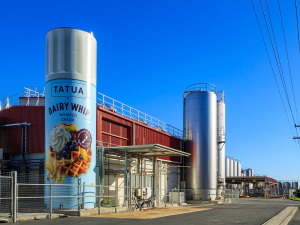
Waikato milk processor Tatua has again declared a record milk payout to farmer shareholders, leaving other processors in the dust.

A Labour-led Government won’t be bringing back the controversial freshwater rules of 2020.
National’s much-touted free trade deal with India featured in the Rural Issues Debate at Mystery Creek, Hamilton on Wednesday night.
New Zealand's 2026-27 freshwater fishing season has opened, with anglers encouraged to head to rivers and lakes over the coming days as conditions look favourable across much of the country.
Central Otago District Council (CODC) has voted against a plan to spread treated sewage sludge from Cromwell and Alexandra on farmland near Lauder, a decision Federated Farmers says reflects strong opposition from rural residents.
Pāmu has released its FY26 Integrated Annual Report, reporting a Net Operating Profit of $113 million, more than double the $49 million recorded in FY25.