Calf rearers say goodbye to leaky teats, poor feeder fit
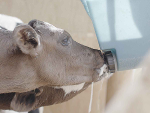
Leaky teats and poor feeder fit are now a thing of the past for calf rearers - thanks to the Thriver range of calf teats from Skellerup.
 increase font size
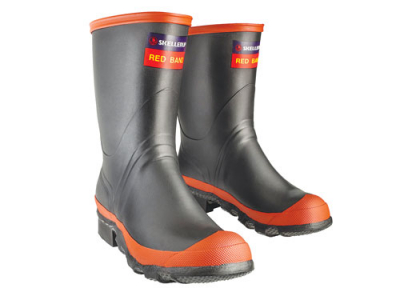
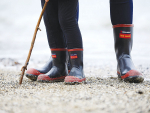
Kiwis' love affair with Red Band gumboots has now lasted 60 years.
Be in to win 1 of 2 pairs of Skellerup Red Bands by subscribing to our newsletter before May 18: http://eepurl.com/bATYV1
Their passion runs to buying 100,000 pairs annually; laid end to end they would tower 10 times taller than Aoraki-Mount Cook.
Skellerup, the maker of the wide-topped mid-calf, step-in gumboot with its signature red bands and toe caps, this year celebrates 60 years of making them. And they haven’t changed them apart from adding a sponge insole for comfort.
Skellerup national manager footwear Perry Davis says Red Band gumboots were the first short boots ever made in New Zealand if not the world.
“Traditionally, gumboots have always come up to just below the knee,” he told Rural News.
“No-one is sure who at Marathon Rubber Footwear – the forerunner to Skellerup – had the idea to create a shorter boot, but in 1958 the concept was tried out.”
The first Red Bands appeared on October 21, 1958 – an instant hit. Sixty years later they’re still a staple in many rural NZ households.
Red Bands were made in Skellerup’s Woolston factory in Christchurch until the late 1980s when the company opened a factory in Jiangsu, China.
Notable features are natural rubber compounds with built-in UV inhibitors, a heavy-duty non-clog cleated sole and 100% cotton canvas bonded to the rubber for the boots’ strength, flexibility and protection.
Hand-made to the original specifications of 60 years ago, each boot has 19 components in at least six different rubber formulations.
Interestingly, Kiwis typically have wider feet than many other nationalities – a detail discovered by Skellerup footwear designers over time. The popularity of Red Bands shows they’re getting them just right.
In 1958 the firm made Red Bands in only one style; today they’re made for the whole family, e.g. Red Band juniors for kids, plus socks, work boots and clothing.
Leaky teats and poor feeder fit are now a thing of the past for calf rearers - thanks to the Thriver range of calf teats from Skellerup.
Rising sales of dairy consumable products helped Skellerup deliver a record net profit of $48 million last financial year.
It's a change of scenery, customer and supply chain for Skellerup’s incoming agri division head, Hayley Gourley.
Dairy rubberware supplier Skellerup is giving its support to I Am Hope, a community group.
Filling the vat with the best milk you can produce is a financial advantage, says milking liner maker Skellerup.


The National Party’s policies to make it easier to grow fresh vegetables, secure reliable water and energy and simplify farm planning are practical changes that will give growers the confidence to invest, according to Horticulture New Zealand (HortNZ).

Fonterra Co-operative Group chief financial officer Andrew Murray has resigned to take up a role outside the dairy giant.
A major move is about to get underway to improve the quality and viability of dairy beef and cattle in NZ.
Veterinarians say changes to the code of welfare for dairy cattle provides a positive foundation for improved cattle welfare across the country.
Today, 15 October, is the International Day of Rural Women, which recognises rural women’s contribution to farming, communities and the environment.
Global dairy giant Lactalis has integrated its Australian operations with the Mainland Dairy consumer business it acquired from Fonterra earlier this year.