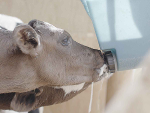
Calf rearers say goodbye to leaky teats, poor feeder fit
Leaky teats and poor feeder fit are now a thing of the past for calf rearers - thanks to the Thriver range of calf teats from Skellerup.




 increase font size
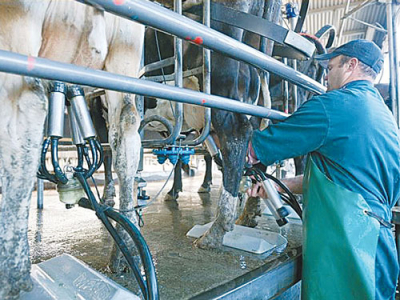 Halving bulk milk somatic cell counts from 300,000 to 150,000 is estimated to increase total season milksolids by 2.1%.
Filling the vat with the best milk you can produce is a financial advantage, says milking liner maker Skellerup.
Studies have shown hefty production gains from maintaining good milk quality, the company says. For example, halving bulk milk somatic cell counts (BMSCC) from 300,000 to 150,000 is estimated to increase total season milksolids by 2.1%
In general, the lower your somatic cell count (SCC) and the fewer grades incurred during lactation, the more efficient and thorough is your milking process.
Attention to detail and a preventative approach go a long way towards improving milk quality, and this is the ideal time of year to review your system, says Skellerup. A key question to ask is: when did we last replace the liners?
Milking liners are the one item in direct contact with the cow. During each lactation she typically spends 50-100 hours attached to the machine, via those liners.
“Milking liners are hidden inside the shells, so you can’t see what happens to them when they wear out,” says Skellerup national manager Perry Davis.
“The first thing you might see instead is a cow kicking the cluster off, damaged teat ends or a surprisingly high BSCC on the milk docket.”
Worn, poor-fitting liners can leave milk in the udder, slip off the teat and/or leave permanent rings at the top of the teat. And any internal cracks in the rubber are an ideal environment for bacteria.
Skellerup offers an easy way to check if milking liners are due for replacement: go to www.2500change.co.nz and fill in the required fields or use a calculator to work out how many times they’ve been used since they were installed.
If it’s 2500 or more, it’s time to change, Davis says.
Leaky teats and poor feeder fit are now a thing of the past for calf rearers - thanks to the Thriver range of calf teats from Skellerup.

Rising sales of dairy consumable products helped Skellerup deliver a record net profit of $48 million last financial year.
It's a change of scenery, customer and supply chain for Skellerup’s incoming agri division head, Hayley Gourley.
Dairy rubberware supplier Skellerup is giving its support to I Am Hope, a community group.
In the year Skellerup’s iconic Red Band gumboots turn 60, the company is celebrating a record profit.



Federated Farmers has welcomed new rural policies released by ACT, saying they align closely with its own election priorities.

Rural Contractors NZ says proposed changes to land transport rules for agricultural vehicles are a welcome response by the Government to out of date regulations which have seen members hit with huge fines.
Alliance is calling for final applications for its 2027 Graduate Programme, with applications closing on Sunday 25 October.
Decades piloting planes has ensured vet and farmer David Hayes is focused on safety. So, after a serious accident while welding on farm, he is sharing his experience so others can learn from it.
Canterbury milk processor, Synlait Milk has confirmed Leon Fung as its chief executive officer.
OPINION: Making it easier to collect rainwater and use it to grow crops and livestock is a no brainer.

OPINION: It seems Canterbury processor Synlait is still in the doldrums.
OPINION: Get offside with New Zealand First leader Winston Peters at your own peril.




