LIC Chief Says BVD Eradication in NZ Is Within Reach
A dairy industry leader believes eradicating the common and costly disease, Bovine Viral Diarrhoea (BVD) is within reach.
 increase font size
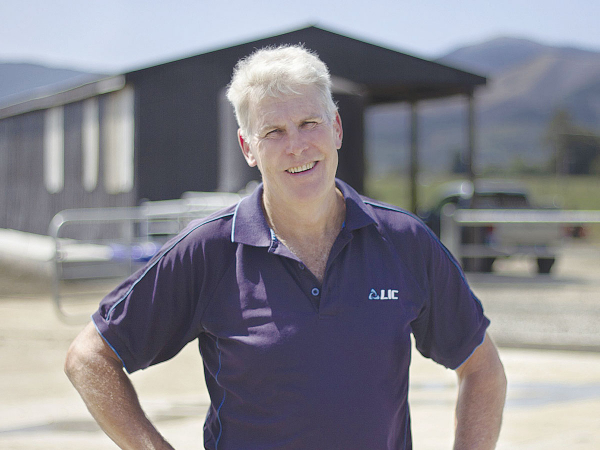 LIC chairman Murray King and other directors aren't getting a pay rise after shareholders narrowly voted down a proposal to lift board fees.
Livestock Improvement Corporation (LIC) shareholders have voted against raising director fees.
A proposal by the LIC honoraria committee was narrowly defeated at LIC’s annual meeting today: 50.8% of those who voted opposed the increase while 49.25% were in favour.
The shock result means LIC chair and director fees remain the same as 2019, given there was no increase last year due to the impact of Covid. They remain $123,600 for the chair and $54,000 for each director.
The honoraria committee proposed two increases to shareholders, including the pay rise put on hold last year.
For the chair, an increase of $6,400 for 2020 and $2,500 for 2021 was proposed. For directors $2,500 for 2020 and $3,500 for 2021 were on the table.
The committee also sought an extra $60,000 for a provisional fourth appointed director on the board. LIC has a nine member board: six farmer-elected and three appointed directors, all appointed for a three-year term.
In seeking the pay rise for directors, the honoraria committee told farmer shareholders it is imperative that LIC maintains a high calibre of directors.
“Elected directors bring a strong understanding of the co-operative as well as the New Zealand market.
“Appointed directors bring to the board a balance of skills and experience relating to international markets, mergers and acquisitions, health and safety, technology, finance and risk, and often have exposure to other complex businesses.”
However, the majority of voting shareholders did not agree.
The resolution on director remuneration was the only one voted down at the AGM, held online due to Covid restrictions.
Shareholders approved a pay rise for LIC Shareholder Reference Group members with 68% in favour of the resolution.
They also approved the re-election of appointed director Candace Kinser, with 87% in favour.
A dairy industry leader believes eradicating the common and costly disease, Bovine Viral Diarrhoea (BVD) is within reach.

LIC shareholders have elected a new North Island representative to the co-operative's Board, along with five representatives to its Shareholder Reference Group (SRG), following the company's Annual Meeting held in Invercargill.
Farmers can spend less time on paperwork, thanks to a new data sharing agreement between DairyNZ’s DairyBase and LIC’s MINDA software.
An LIC bull, Tronnoco AR Sadio-ET S3F, bred by Tony and Keri O'Connor of Tronnoco Farming Co Ltd near Timaru, has won the 2026 Mahoe Trophy.
Bovine Viral Diarrhoea (BVD) is estimated to cost New Zealand's dairy and beef industries more than $150 million every year, yet many of the tools needed to control it are already well understood. After more than 25 years in veterinary practice, Andrew Weir, animal health technical specialist at LIC, has seen firsthand the impact BVD can have on herd performance. We asked him about the role of persistently infected (PI) animals and the practical steps farmers can take to reduce their risk.

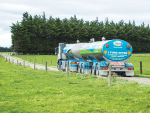

During the nesting season, from September to December, industrious starlings can quickly build nests in the darker areas behind tractor and vehicle, usually close to hot engines, typically resulting in localised damage or in some cases complete write-offs.
The meat processing industry is much more collegial than it was in the past and is now more focused on common goals.
With the last couple of months having seen some potential tractor purchases put on hold with the impending election and continued input cost rises, year-to-date figures, ending September, has seen deliveries up around 5% over the same period in 2025, with a total of 2026 units.
Beef+Lamb New Zealand is calling for nominations for director roles in the Northern South Island and Northern North Island electoral districts.
Fonterra chief executive, Richard Allen says being resilient has helped the dairy industry overcome extreme volatility in recent years.
The head of the Ministry for Primary Industries (MPI) trade and international relations group says New Zealand is well-positioned to secure trade access and compete internationally as the world becomes more complicated, demanding and uncertain.