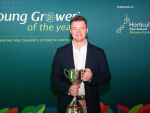
James Blair Named 2026 Young Grower National Champion
James Blair, an agronomist for AS Wilcox and the Pukekohe regional champion, has won the 2026 Young Grower national title.
 increase font size
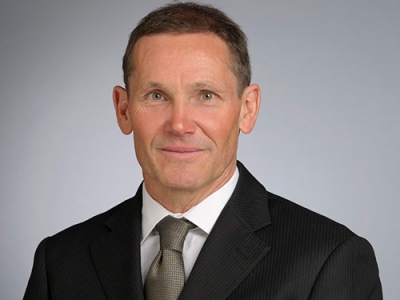 Plant and Food chief executive officer Peter Landon-Lane.
Horticulture can expect to see more talent and capital in the industry with Maori, says Plant and Food chief executive officer Peter Landon-Lane.
There are many Maori businesses and people involved in horticulture, he told the Horticulture NZ conference in Nelson today.
As they were in the Te Tau Ihu region he acknowledged the Wakatu Corporation, owners of the Kono brand and wine, horticulture and seafood producers.
Across New Zealand, Maori now own 10% of the kiwifruit sector, he said. Many iwi and Maori organisations are looking at opportunities across a wide spectrum of horticultural crops and food products.
This new interest and investment from Maori promises big things for horticulture – great potential in land and capital but also new opportunities in branding, potentially new crops and a pool of young people who will help meet the need for talent.
A third of Maori are under the age of 15, so there's a talent pool, he said.
James Blair, an agronomist for AS Wilcox and the Pukekohe regional champion, has won the 2026 Young Grower national title.
Blueberries have the potential to become a major horticultural export, earning up to $150 million within the next three to five years.
New Zealand needs to make sure that it continues to focus on its own food security, according to HortNZ board member and blueberry grower Dermott Malley.
According to a progress report on the Aotearoa Horticulture Action Plan (AHAP), New Zealand's horticulture sector is making real progress on the big issues facing growers.
Agriculture Minister Todd McClay has admitted that a scheme bringing workers from Pacific nations to work on orchards has become too hard to navigate but says changes are coming.



The Royal New Zealand College of General Practitioners (the College) and Hauora Taiwhenua Rural Health Network are calling for investment in a proposed new training pathway for rural GPs, warning that many rural practices are struggling to recruit while a large share of the existing workforce nears retirement.
Federated Farmers has called on Central Otago District Council (CODC) to drop or vote down a plan to truck sludge from Alexandra and Cromwell to farmland near Lauder, warning it would compound an "outrageous" situation created by a separate council's decision weeks earlier.
Synlait has swung to second-half profit as operations stabilise, but the dairy processor still posted a $75.4m annual loss.
LIC shareholders have elected a new North Island representative to the co-operative's Board, along with five representatives to its Shareholder Reference Group (SRG), following the company's Annual Meeting held in Invercargill.
Farmers across parts of Southland and South Otago are continuing to deal with difficult conditions after a prolonged run of wet weather, with pressure building around feed supply, stock management, pasture damage, farm infrastructure and everyday workloads.
Federated Farmers says it welcomes Labour's commitment to reviewing the Sharemilking Agreements Act, calling on other major parties to do the same.