M.I.A.
OPINION: The previous government spent too much during the Covid-19 pandemic, despite warnings from officials, according to a briefing released by the Treasury.
 increase font size
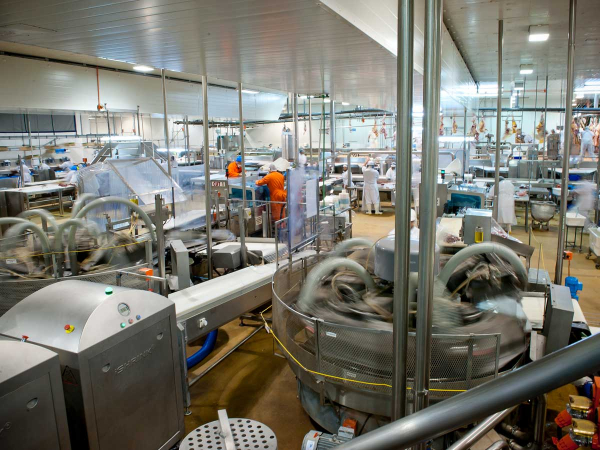 Processing stock will take much longer under COVID-19 Alert Level restrictions.
Meat companies have now put in place a set of protocols that will allow stock to be killed and processed during the COVID-19 lockdown.
These also meet the guidelines laid down by the Government in respect of the safety of workers at meat processing plants.
Meat Industry Association chief executive Tim Ritchie told Rural News that his organisation and MPI – along with others – have been working on developing the guidelines for several days.
Ritchie says the unions have been kept in the loop and meat companies have worked collaboratively to develop these new protocols.
However, he warns farmers that processing stock will take much longer – given the need to meet the new requirements around space between workers and so on.
Ritchie says this may affect sheep chains more because of distancing requirements. He says it could delay the process by up to 30% or more in some cases.
Delays will likely vary between plants. He says the meat companies have also agreed that if there are any problems at a certain plants, others will take up the slack.
Ritchie says staff at meat plants have also been briefed about how to deal with the situation and given advice on how to stay safe during the present crisis.
OPINION: The previous government spent too much during the Covid-19 pandemic, despite warnings from officials, according to a briefing released by the Treasury.
OPINION: Labour leader Chris 'Chippy' Hipkins is carrying on the world-class gaslighting of the nation that he and his cohorts started after their disastrous Covid response; now trying to undermine the Covid inquiry to protect his own backside.
OPINION: Did former PM Jacinda Ardern get fawning reviews for her book?
OPINION: Welcome to the second annual NZ Dairy Expo at Matamata – an event created to bring together the best of the New Zealand dairy industry in a focused, grassroots environment where dairy farmers and rural professionals can meet, talk, compare products, and make smart decisions for their farms.
It's a bloody tough year for sheep farmers, but the worst may be over, and the future looks optimistic.


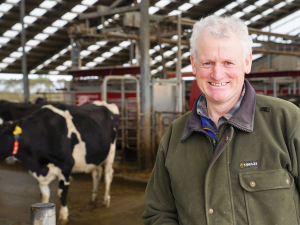
In Dacre, near Invercargill in New Zealand’s South Island, Bruce Dinnington is running a dairy operation unlike any other.

A free online platform aggregating governance vacancies across rural and regional New Zealand has been launched.
Environment Minister Nicola Grigg has announced details of a new rural plastics recycling scheme.
Agricultural drone operators say that a government decision to allow lower-risk drone work without certification won’t lower standards but drive innovation and efficiency.
OPINION: Warning bells are ringing in the arable sector.
Farmgate lamb prices are down by 8%, beef cattle by 4.5% and farm expenditure up by 4.2%.