Bureaucratic obfuscation is being used to stall the provision information about the costs and achievements of the Ministry of Primary Industries (MPI) 'Fit for a Better World' strategy.
On June 16, Rural News sent MPI an Official Information Act (OIA) request seeking more information relating to Fit for a Better World. The request asked only five questions relating to meetings, minutes, costs and outcomes of the programme.
However, on July 14 - on the last day of the 20 working day timeframe when an OIA must be answered - MPI replied that it would not be able to answer within the mandated timeframe.
In a classic stalling move, which has become a common tactic used by government departments around OIA requests, MPI has extended the time it will provide any answers till, "no later than September 8, 2021", which adds another 40 working days, makking it more than three times the mandated OIA response timeframe.
MPI claims: "consultations necessary to make a decision on your request are such that a proper response cannot be reasonably made within the normal 20 working day time limit".
It goes on to say, "the request... necessitates a search through a large quantity of information and meeting the original time limit would unreasonably interfere with operations of the department or the venture or the Minister of the Crown or the organisation".
However, the Fit for a Better World programme, which has been pushed by Agriculture Minister Damien O'Connor, was only released in July 2020. It is described by MPI as a roadmap "to bring together opportunities the Government considers will accelerate the productivity, sustainability, and inclusiveness of the primary sector, to deliver more value for all New Zealanders".
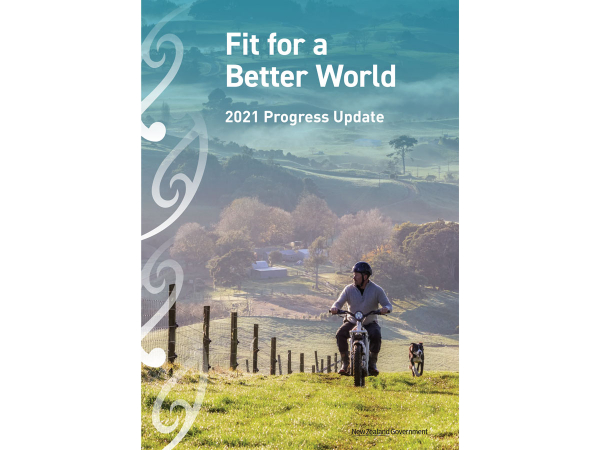
At this year's Fieldays, MPI released an update on the programme - an expensive-looking, 30 page glossary document - which claimed to set out "three ambitious targets to achieve a more productive, sustainable, and inclusive economy within the next decade".
According to the Fit for a Better World update, the 'roadmap' will help the primary sector add $44 billion in export earnings over the next decade, reduce farming's biogenic methane emissions to 24-47% below 2017 levels by 2050 and 10% below by 2030 and employ 10% more New Zealanders by 2030.