Fall Armyworm in NZ Maize: Four Years of Research
Four years since it was first detected in New Zealand, researchers and growers now know much more about management of maize pest fall armyworm (FAW).
 increase font size
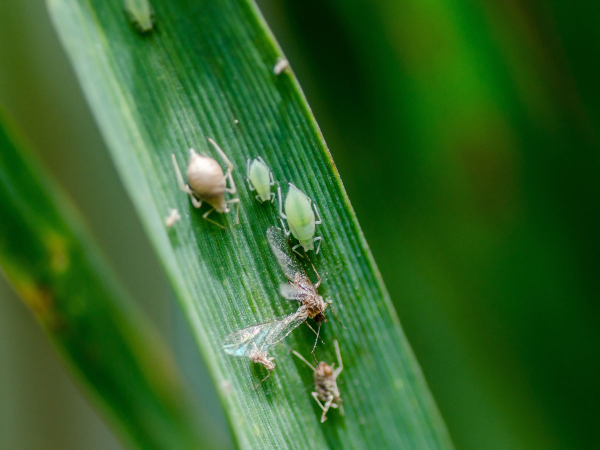 Aphid predation. Photo Credit: FAR
A new digital tool has been launched to help growers make decisions around aphid management and when to act to prevent damage to their crops.
Developed through a partnership between the Foundation for Arable Research (FAR) and Kiwi ag-tech company HortPlus, the free-to-grower ‘Aphid Tool’ can be accessed via the Weather & Disease portal on the FAR website.
The tool helps identify periods of time that are most favourable to aphid reproduction, helping growers to make decisions about when monitoring should be undertaken to determine population levels and help guide management actions.
“Early winter is an aphid risk period for cereal crops so this tool is well timed for New Zealand’s cereal crop growing farmers,” says FAR senior researcher for cereals Jo Drummond.
“This new tool provides valuable data that growers can use to make decisions about aphid control measures, such as when to spray, and when spray is not needed,” she says.
The main YDV vectoring species in New Zealand cereals are the bird cherry oat aphid and the rose grain aphid. These species require temperatures above 5.8°C to reproduce.
The data driving the Aphid Tool is sourced from a network of weather stations across New Zealand, which give insight into the environmental conditions for aphid population reproduction.
“If farmers apply an insecticide when risk periods are highest according to the data, rather than using a calendar-based approach, this can also reduce the number of spray applications required. That’s a win for the environment and another key reason we have worked with HortPlus on this tool as one of the many actions underway in support of the industry-wide A Lighter Touch sustainability initiative,” Drummond says.
FAR also has a regional network of monitor paddocks that track aphid and beneficial insect populations. By using data from these monitor paddocks, combined with the new Aphid Tool, farmers and other growers can now manage their aphid control measures more strategically than in the past, she says.
HortPlus director Mike Barley says partnering with FAR to develop the tool was the obvious choice.
“FAR is New Zealand’s lead research organisation for arable growers – responsible for supporting an industry worth more than $2.1 billion to the New Zealand economy. We saw an opportunity to develop a tool that can help drive smarter decisions, improved environmental outcomes, and higher profits for farmers who can better plan how to protect their crops.
“With the ongoing challenges New Zealand’s growers face, there is a lot of benefit in having insight for pests such as aphids. We will continue to develop the Aphid Tool further to integrate different data sources including aphid and beneficial species population monitoring to provide a comprehensive management view.”
Four years since it was first detected in New Zealand, researchers and growers now know much more about management of maize pest fall armyworm (FAW).
Two Canadian spraying experts, Tom Wolf and Jason Deveau, are visiting New Zealand in early August to ensure that arable growers are hitting the target with this key piece of equipment.
Tickets are now available for the 2026 Arable Awards, set to be held in Christchurch on 20th August.
Some of New Zealand’s best-loved food brands have been quick to sign up for a new campaign which reinforces their home-grown status.
With arable farmers heading into the busy planting season, increasing fuel and fertiliser prices, driven by the Iranian conflict, are a daily and ongoing concern.


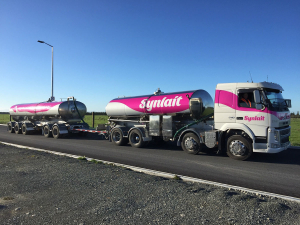
Synlait has swung to second-half profit as operations stabilise, but the dairy processor still posted a $75.4m annual loss.

LIC shareholders have elected a new North Island representative to the co-operative's Board, along with five representatives to its Shareholder Reference Group (SRG), following the company's Annual Meeting held in Invercargill.
Farmers across parts of Southland and South Otago are continuing to deal with difficult conditions after a prolonged run of wet weather, with pressure building around feed supply, stock management, pasture damage, farm infrastructure and everyday workloads.
Federated Farmers says it welcomes Labour's commitment to reviewing the Sharemilking Agreements Act, calling on other major parties to do the same.
For Canterbury dairy farmers Sian Meijer and Rick Wobben, wearable technology has become one of their most valuable on-farm tools - helping manage 1850 cows across an expansive, high-performing dairy operation while improving efficiency, mating outcomes and day-to-day decision making.
Fonterra has unveiled its annual results for the 2026 financial year, posting $27 billion in revenue and close to $20 billion returned to New Zealand farmer owners and unit holders.