Synlait’s Longest-Serving Employee Joins Executive Team
Synlait's longest serving employee – a man who joined the Canterbury-based milk processor even before it began processing milk – is now its newest executive.
 increase font size
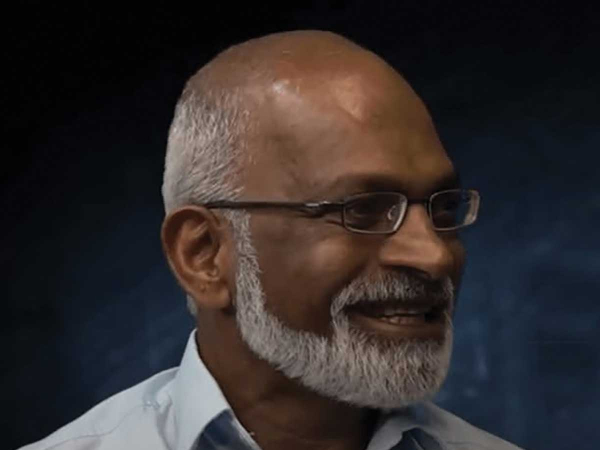 Nathan Balasingham
With New Zealand’s greenhouse gas emissions in the spotlight, Auckland scientist Nathan Balasingham says there’s a better way to tackle the problem than shrinking cow numbers or fertiliser usage.
A Dutch environmental group claims New Zealand has broken its climate change promises in the free trade agreement with the EU and is lodging the first complaint of its kind through the European Commission.
The group, Both ENDS, is using the complaints mechanism known as Single Entry Point and the most extreme consequences could be NZ losing access to the lucrative European market.
While the group is seeking compliance rather than the suspension of trade benefits, its actions have drawn fierce criticism from the Government coalition partners.
But Balasingham says that rather than treating European climate scrutiny under the EU trade agreement as a regulatory threat, New Zealand has an immediate opportunity to turn it into a $15.8 billion pastoral export advantage—without taxes, herd culls, or farm regulation.
Methane and urinary nitrogen are not merely environmental liabilities, they represent lost protein, dietary energy, and farmer profit, says Balasingham.
He claims his product, Biozest operates by optimising rumen metabolic efficiency, enabling livestock to convert more pasture protein into high value milk and meat solids rather than excess urinary urea and methane.
“What makes this biological approach unique is that farm gate profitability and environmental stewardship stem from the exact same underlying process—requiring no capital expenditure, no herd culls, and no changes to farm infrastructure,” he told Rural News.
His company has collated field trial data, peer-reviewed science, and economic modelling into a master blueprint titled ‘A Leadership Proposition for New Zealand’s Pastoral Future’.
It states that scaling this technology across NZ’s pasture network offers the potential to deliver additional $15.8b pastoral export value and reduce nitrate leaching and biological emissions intensity directly at the source.
The Green Party is also targeting the dairy sector, promising to force farmers to reduce synthetic N usage if elected. The Government is accusing the Greens of supporting the complaint filed with the European Commission.
But Balasingham says the science exists, the lead farms are actively operating, and the macroeconomic modelling is robust.
“Our focus is squarely on increasing productivity while simultaneously addressing environmental concerns, helping farmers deliver on international trade expectations,” he says.
“Proven New Zealand-made products like Biozest help us show overseas markets, particularly Europe, that our farming stands up to scrutiny. That protects farmers’ access to valuable export markets and gives them a practical tool that earns its keep on the farm.”
Synlait's longest serving employee – a man who joined the Canterbury-based milk processor even before it began processing milk – is now its newest executive.
I am often asked by industry people, what are the options for removing a grapevine without producing a phytosanitary problem? Can it be done sustainably? What will it cost me?
Pāmu has released its FY26 Integrated Annual Report, reporting a Net Operating Profit of $113 million, more than double the $49 million recorded in FY25.
Environment Minister Nicola Grigg has announced details of a new rural plastics recycling scheme.
Almond hulls sourced from Australian orchards may have the potential to help New Zealand cows reduce emissions, boost milk yield and lower input costs.

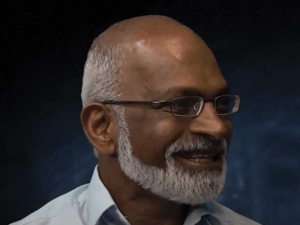
With New Zealand’s greenhouse gas emissions in the spotlight, Auckland scientist Nathan Balasingham says there’s a better way to tackle the problem than shrinking cow numbers or fertiliser usage.
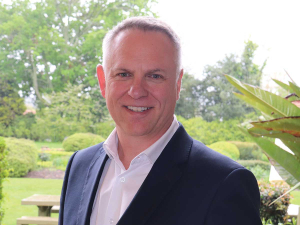
Massey University vice chancellor Pierre Venter says his institute is moving from a period of austerity into a growth phase, based on their new strategy.
With the red meat sector going through a boom time with high prices, the time is right for the industry to step up its investment into developing new food products.
Meat Industry Association chief executive Nick Beeby says there’s now much closer cooperation between meat processing companies than there was many years ago.
A new fruit quality research laboratory has been opened in Auckland by agritech company Hectre to develop pioneering hyperspectral technology.
Farmer lobby Groundswell believes that farmers are worried about the implications of a potential centre-left government.