Mark Hooper Joins NZPork Board as Independent Director
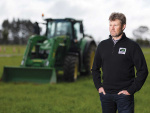
Rural leader Mark Hooper has been appointed as an independent director to the NZPork board, bringing extensive farming, governance and advocacy experience to the role.
 increase font size
 Pig farmers have 10 years to prepare for the new animal welfare standards.
Pig farmers are cautiously welcoming new animal welfare standards announced by the Government last week.
They say while the new standards - which follow five years of consultation with the industry and public - bring clarity, they also present major practical challenges and significant costs.
NZPork chief executive Brent Kleiss says the Government's proposals substantially increase the requirements on farmers to meet animal welfare standards, while also ensuring the New Zealand pork sector remains viable.
"Farmers have faced five years of uncertainty waiting for a decision on pig welfare standards," he told Rural News.
"These proposals bring clarity, but also major practical challenges and significant costs. The 10-year transition period provides farmers with time to adapt, but it will still require considerable investment and change."
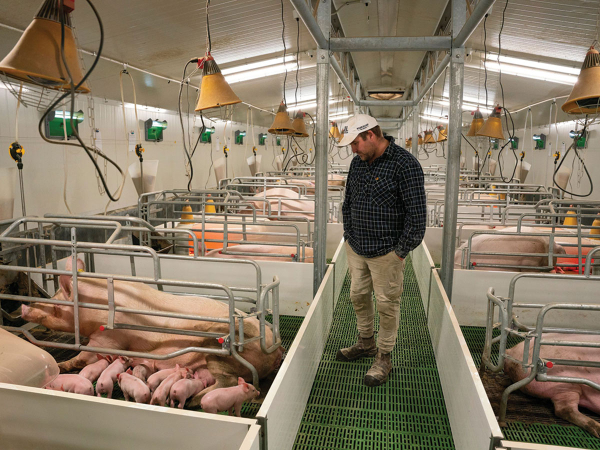
The Government's proposed reforms include reductions in the use of farrowing crates and mating stalls, alongside increased space allowances for pigs.
Currently sows can be confined in farrowing crates for a maximum of seven days before farrowing and up to four weeks post-farrowing. The proposed regulation allows confinement of sows for a maximum of three days pre-farrowing, and four days post-farrowing.
Minimum spacing requirements for grower pigs will increase by 13.3%.
Associate Minister of Agriculture (Animal Welfare) Andrew Hoggard believes the proposed new requirements will be amongst the highest in the world and demonstrate the importance New Zealanders place on animal welfare.
"Because these are substantial changes, the Government will give farmers sufficient time to prepare for them, with the requirements coming into effect on 19 December 2035.
"This approach provides the sector with a realistic timeframe to make changes to their practices and farms adapting to the new requirements without disrupting domestic pork supply or putting undue pressure on pig farmers."
Hoggard says the decision follows five years of consultation with industry, key stakeholders, veterinarians and the public.
"We've listened to and considered a broad range of perspectives. I'd like to thank all those that have provided their perspectives and expert advice to ensure our approach is scientifically robust and economically viable.
"The proposed amended regulations aim to ensure New Zealand retain its reputation for high animal welfare outcomes, while making sure we keep a viable pig farming industry in New Zealand, and Kiwis have access to locally grown pork.
"We've worked hard to minimise the costs for farmers. Nevertheleass, many of these changes will require significant financial investment, infrastructure modification, and changes to practices on farm."
Certainty for Farmers
NZPork chief executive Brent Kleiss says it recognises the Government has had a difficult job balancing science, practicalities and costs.
"While we welcome much of the framework, we need to see the full code before farmers can start making changes on farm.
"It has been five long years of limbo and uncertainty, and over that time, it's likely we have lost farmers from the industry who couldn't wait any longer. We're pleased the Bill takes steps to put an end to this."
Kleiss says maintaining a viable domestic pork sector in New Zealand is critical.
"Our farmers are committed to raising healthy animals and providing Kiwi families with an affordable, high-quality protein. New Zealand must ensure a level playing field against the flood of imported pork, much of which is produced using practices that are already illegal here."
He says while the Bill provides some certainty for farmers, it is not the final step.
"We are still awaiting the full code of welfare for pigs, which will allow farmers to properly assess the scale of changes in their entirety. In the meantime, we will continue to work constructively with Government and officials on the detail of the proposals to achieve the best outcomes for both pigs and farmers."
Rural leader Mark Hooper has been appointed as an independent director to the NZPork board, bringing extensive farming, governance and advocacy experience to the role.

As the cost-of-living crisis continues to put pressure on household grocery budgets, new figures show pork remains one of the most affordable fresh meat options for New Zealand families.
New data shows that pork remains one of the more affordable meat options for New Zealand households at a time when grocery costs continue to put pressure on budgets.
NZPork says the Government needs to strengthen its proposed planning laws to ensure New Zealand's pig farmers can continue to produce pork.
Following a recent director election, Canterbury farmer Sean Molloy has been appointed to the New Zealand Pork Industry Board.


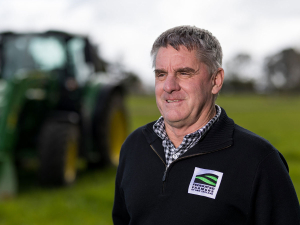
National’s pledge to introduce 19 new national standards shows the party is serious about getting Wellington out of farming, Federated Farmers says.
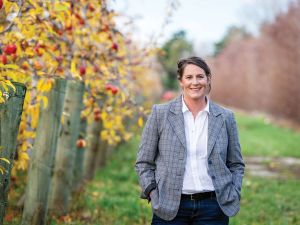
The National Party’s policies to make it easier to grow fresh vegetables, secure reliable water and energy and simplify farm planning are practical changes that will give growers the confidence to invest, according to Horticulture New Zealand (HortNZ).
Fonterra Co-operative Group chief financial officer Andrew Murray has resigned to take up a role outside the dairy giant.
A major move is about to get underway to improve the quality and viability of dairy beef and cattle in NZ.
Veterinarians say changes to the code of welfare for dairy cattle provides a positive foundation for improved cattle welfare across the country.
Today, 15 October, is the International Day of Rural Women, which recognises rural women’s contribution to farming, communities and the environment.