McRae Wins Southern South Island B+LNZ Director Vote
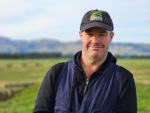
Matt McRae, a farmer from Mokoreta in Southland who runs a sheep, beef and dairy support business alongside a sheep stud, has been elected to the Beef +Lamb NZ Board as a farmer director.
 increase font size
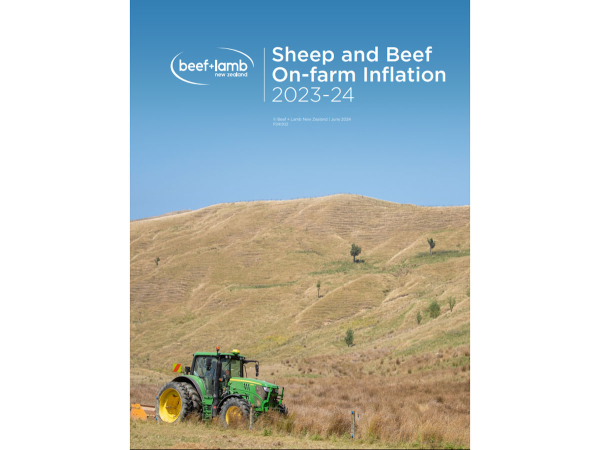 2023-24 recorded a 2.8% inflation rate.
On-farm inflation for sheep and beef farmers has eased but high input prices continue to affect farm profitability.
According to Beef + Lamb New Zealand’s (B+LNZ) latest Sheep and Beef On-farm Inflation report, 2023-24 recorded a 2.8% inflation rate.
While this marks a significant decrease from the previous year's 16.3% inflation rate, the report highlights that farm input prices remain high, continuing to put significant pressure on farm profitability.
“While it is positive that inflation is trending downwards, the reality is that times are tough, the cumulative impact of high input prices over recent years is significant” says Kate Acland, chair of B+LNZ.”
For the past three years, sheep and beef farmers have grappled with high inflation, and input prices have risen by 32% between 2021-22 to 2023-24.
Although the rate of inflation has slowed, input prices have continued to increase, just at a more modest rate. Farmers continue to face substantial cost increases, particularly in key areas such as interest, insurance, and animal health.
Interest rates remain one of the main drivers behind on-farm inflation, with a 12% increase in interest costs contributing half of the overall 2.8% inflation rate in the last year, as borrowing is a significant item for farming businesses. High interest costs have been especially difficult for farmers, impacting their cash flow and profitability.
Insurance costs rose by 8.7%, while animal health expenses increased 8%, further straining farm budgets.
One area where farmers found some relief was in the cost of fertiliser, lime, and seeds, which decreased by 4.2%.
These persistent price increases have had a massive negative effect on farm profitability and financial stability for New Zealand farmers.
“Farmers are currently under enormous pressure financially, but we recognise the impacts are being felt widely, the knock-on effect this has on rural communities and regional towns is huge,” says Acland.
B+LNZ is forecasting that sheep and beef incomes will be 54% lower this year and most farmers will not make a profit this year. A key driver of this fall in profitability is increased costs, coupled with softer prices for sheepmeat.
On-farm inflation was lower than consumer price inflation, which was 4% between March 2023 and March 2024.
However, the ongoing high costs of essential farm inputs highlights the challenges faced by sheep and beef farmers.
B+LNZ’s report shows the importance of understanding that while the rate of price increases has slowed, significant inflation over recent years and high-cost levels continue to pose financial challenges for farmers.
The report provides a detailed analysis of the changes in farm input prices and their impact on farm expenditure, offering valuable insights for farmers navigating these economic pressures.
“Farmers are still feeling the squeeze from high interest rates and other essential expenses. Our focus remains on supporting farmers through these tough economic conditions and advocating for measures that can help alleviate some of these financial pressures.” adds Acland.
Matt McRae, a farmer from Mokoreta in Southland who runs a sheep, beef and dairy support business alongside a sheep stud, has been elected to the Beef +Lamb NZ Board as a farmer director.

The red meat sector is poised for a strong rebound this season, with export receipts forecast to top $10 billion and farm profitability to almost double.
Progeny testing at Pāmu’s Kepler farm in Southland as part of Beef + Lamb New Zealand’s Informing New Zealand Beef programme is showing that the benefits of hybrid vigour could have a massive impact on the future of beef breeding.
Beef + Lamb New Zealand (B+LNZ) has reiterated calls for New Zealand to revise its methane targets after the Government's "disappointing" announcement of its revised Nationally Determined Contribution (NDC).
Beef + Lamb New Zealand (B+LNZ) is having another crack at increasing the fees of its chair and board members.


OPINION: Farmers around the country are welcoming the proposed reform of local government.
A move to boost farmer uptake of low methane emitting sheep is underway.
Silver Fern Farms has tackled the ongoing war-induced shipping challenges to mideast markets by airlifting 90 tonnes of chilled New Zealand lamb and beef to the United Arab Emirates.
The primary sector is leading New Zealand's economic recovery, according to economist and researcher Cameron Bagrie.
Dairy industry leader Jim van der Poel didn't make much of the invitation he received to the recent New Zealand Dairy Industry Awards in Rotorua.
Farmers around the country are going public big time, demanding their local district, city and regional councils come up with amalgamation plans that meet the needs of rural communities and don't allow urban councils to dominate.