Red Meat Farmers Welcome Labour's Emissions Pricing Pledge
Red meat farmers are welcoming Labour’s plan to review the Emissions Trading Scheme and not to campaign on pricing agricultural emissions.
 increase font size
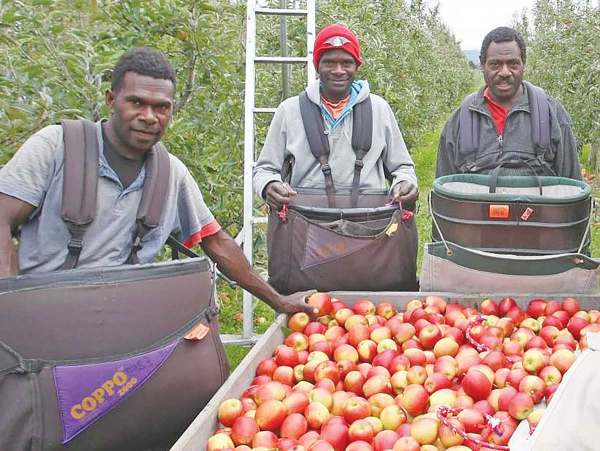 From October, quarantine-free travel for RSE workers from Samoa, Tonga and Vanuatu will begin.
The first stage of one-way quarantine-free travel with Samoa, Tonga and Vanuatu will begin in October, initially for RSE workers, Covid-19 Response Minister and Agriculture Minister Damien O’Connor have announced.
“We want to provide certainty to the horticulture industry that we are moving forward with safe quarantine-free travel for RSE workers in time for the upcoming picking season,” O’Connor says.
Hipkins says there are several reasons why the programme will begin solely with RSE workers.
“RSE workers come to New Zealand in a cohort, and stay in employer-arranged accommodation. This helps mitigate any additional risk from Covid-19 by ensuring they go into self-isolation in a pre-organised place immediately upon arrival,” he says.
To minimise the risk of Covid-19 transmission, Hipkins says, additional health measures have been put in place, including requirements that workers be vaccinated, complete a period of self-isolation on arrival in New Zealand and return negative Covid-19 tests at Day 0 and Day 5.
O’Connor says the decision reflects the important benefits that flow from the RSE scheme for New Zealand, Pacific partner countries, workers, and their families and communities.
Up to 14,400 RSE workers typically enter New Zealand each year, with approximately 10,500 in the country at peak harvesting times pre-Covid.
“Substantial planning has been under way both in New Zealand’s horticulture and viticulture sectors and in our partner countries for the arrival of these workers, with some incoming flights deferred in August and September because of New Zealand’s Alert Level 4 settings,” says O’Connor.
“We will be closely monitoring this first stage of one-way quarantine-free travel. Our intention remains to broaden eligibility for quarantine-free entry into New Zealand from these countries and Tokelau when we can be sure it is safe to do so. In the meantime, other people entering New Zealand from these countries will need to meet existing MIQ requirements.”
“I’d also like to thank the horticulture and viticulture sector leaders for working so constructively with us in reaching this announcement,” says O’Connor.
Officials in New Zealand are working with partner Pacific countries and the industry on the final measures that need to be in place, with exact flight dates in October to be confirmed.
Red meat farmers are welcoming Labour’s plan to review the Emissions Trading Scheme and not to campaign on pricing agricultural emissions.

According to a progress report on the Aotearoa Horticulture Action Plan (AHAP), New Zealand's horticulture sector is making real progress on the big issues facing growers.
A miserable budget that didn’t deliver much for anyone.
National's decision to ‘dribble’ information about the NZ/India to Labour contributed to the delay in it deciding to supported the FTA.
The Labour Party has announced it will support New Zealand's free trade agreement (FTA) with India.


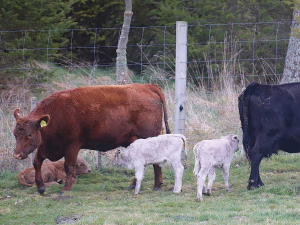
A major move is about to get underway to improve the quality and viability of dairy beef and cattle in NZ.
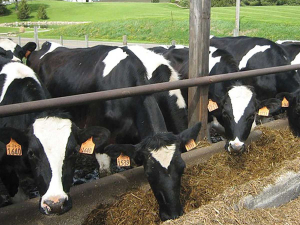
Veterinarians say changes to the code of welfare for dairy cattle provides a positive foundation for improved cattle welfare across the country.
Today, 15 October, is the International Day of Rural Women, which recognises rural women’s contribution to farming, communities and the environment.
Global dairy giant Lactalis has integrated its Australian operations with the Mainland Dairy consumer business it acquired from Fonterra earlier this year.
After almost two decades of sharemilking, saving and building equity, Aaron and Marcia Flay this year realised their long-held dream of settling on their first dairy farm.
Good medium to long term prospects for NZ beef, especially in the US, has heighted the focus on various initiatives to capitalise on this situation.