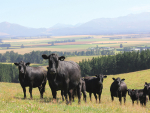
BVD Control Begins Long Before You See A Problem
Bovine Viral Diarrhoea (BVD) is sometimes viewed as a dairy industry issue, but the reality is that the disease can have serious consequences for beef breeding herds as well.
 increase font size

Genetic testing has shown that the animal limb found by a Bay of Plenty farmer in some PKE is from a sheep, not an exotic goat or deer.
MPI is confident it is a New Zealand sheep, says deputy director general compliance and response, Andrew Coleman.
"The farm where the limb was found has sheep, home kill is undertaken, the maggots found on the limb were a species of blowfly found in New Zealand, and most of the PKE supplied goes through a 4mm filter," he says.
"While our risk assessors told us that the risk of the introduction of any animal disease posed by this find was very low, it was important for us to take action.
"These latest results confirm our initial thinking that the leg belonged to a local animal. Interim testing by an independent zoologist suggested that it could have been from an exotic deer or goat. However, this validation testing has disproved that.
"Changes have already been made to the Import Health Standard for PKE to confirm that unapproved facilities cannot be exported to New Zealand. In addition, a small number of processing facilities will need to improve their systems to keep birds and rodents out of storage facilities.
"These changes came into effect on 19 June and a senior official is now working on these changes with authorities in Malaysia and Indonesia.
"I would like to thank the Bay of Plenty farmer for bringing this find to our attention. It is a good example of the important role farmers play in our biosecurity system. Farmers know what's happening on their farms. If they spot anything of biosecurity concern they should ring our 0800 number, that's what happened here."
If anyone has any information regarding a possible biosecurity risk, they should call the MPI pest and diseases hotline on 0800 80 99 66.
Bovine Viral Diarrhoea (BVD) is sometimes viewed as a dairy industry issue, but the reality is that the disease can have serious consequences for beef breeding herds as well.

Election years are always a concerning time for farmers, according to DairyNZ chair Tracy Brown.
Testing confirms H5 bird flu in a single northern giant petrel, found dead on a remote Cape Palliser beach in the Wairarapa, says Dr Mary van Andel, the Ministry for Primary Industries' (MPI) Chief Veterinary Officer.
Bovine Viral Diarrhoea (BVD) is sometimes viewed as a dairy industry issue, but the reality is that the disease can have serious consequences for beef breeding herds as well.
Four years since it was first detected in New Zealand, researchers and growers now know much more about management of maize pest fall armyworm (FAW).


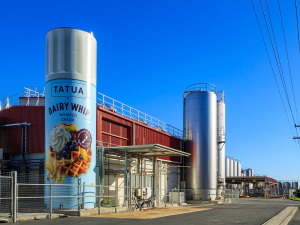
Waikato milk processor Tatua has again declared a record milk payout to farmer shareholders, leaving other processors in the dust.

A Labour-led Government won’t be bringing back the controversial freshwater rules of 2020.
National’s much-touted free trade deal with India featured in the Rural Issues Debate at Mystery Creek, Hamilton on Wednesday night.
New Zealand's 2026-27 freshwater fishing season has opened, with anglers encouraged to head to rivers and lakes over the coming days as conditions look favourable across much of the country.
Central Otago District Council (CODC) has voted against a plan to spread treated sewage sludge from Cromwell and Alexandra on farmland near Lauder, a decision Federated Farmers says reflects strong opposition from rural residents.
Pāmu has released its FY26 Integrated Annual Report, reporting a Net Operating Profit of $113 million, more than double the $49 million recorded in FY25.