Fall Armyworm in NZ Maize: Four Years of Research
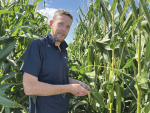
Four years since it was first detected in New Zealand, researchers and growers now know much more about management of maize pest fall armyworm (FAW).
 increase font size
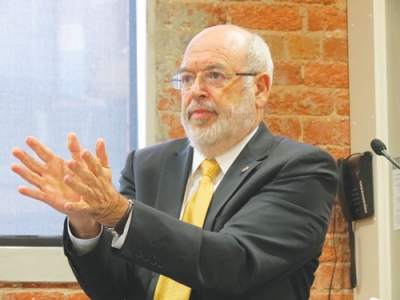 Sir Peter Gluckman.
The primary sector has been chided by the Prime Minister’s chief science advisor for its failure to invest in R&D.
Sir Peter Gluckman last month told the AGCARM conference in Wellington there are huge upsides for the primary sector in investing in R&D. He noted the sector was still living off some science done at Ruakura 30 years ago.
Gluckman claims the sector has become wedded to the idea that research is the Government’s responsibility.
He says pastoral agriculture has been built on decades of R&D, disproportionately funded from the public purse. It’s disappointing to see how little the private sector has helped co-fund the proposed food safety research centre.
Gluckman believes the sector appears to find it difficult to think more than a few years ahead.
“It needs to think long term. Quite clearly the agricultural systems of the world are changing and we have climate change and changing consumer preferences; so we have to move up the value chain,” he told the conference goers.
“All that has to be based on science and that science has a long life cycle – seven-ten years, at least, for much of this stuff. There is an enormous upside for New Zealand if we invest properly in R&D in the primary sector, but we must get beyond commodities and think strategically about what we could do to lift the sector.”
Gluckman says while the primary sector appears to have some difficult years ahead, he believes this is not the time to hunker down, but rather to invest strategically in research and innovation and look out up to two decades ahead. He says the thinking in R&D has to be beyond the consumer.
“Consumers have different fashions and that’s part of it. But beyond commodities you have consumer driven demand for high quality cuts of meat, for better cheeses, wine and kiwifruit,” he explained.
“But there is one more layer of value beyond that – health. Especially in Asia there is growing understanding that nutrition, health and food are all linked. We need to do the science that better links those things and get the evidence base.”
Gluckman says the NZ private sector’s investment in the primary sector is so small that you’d need “a very big microscope” to see it.
“We have one of the lowest private sector investments in R&D. It’s understandable at one level – the company structure is different. In most countries the private sector spend comes from large companies – in fact 75% comes from companies employing over 250 people and they are the multinationals.”
But while Gluckman concedes it’s hard for companies to engage in R&D, it must be done. He says R&D is not cutting meat differently or necessarily developing new fruit and vegetables – it’s about getting serious added value.
Four years since it was first detected in New Zealand, researchers and growers now know much more about management of maize pest fall armyworm (FAW).
Generative AI in the workplace, trials in the field, and industry-relevant research took centre stage at this year’s Grape Days events in Central Otago, Hawke’s Bay and Marlborough.
Recent storm damage to roading infrastructure around New Zealand has prompted a call for the Government to change the settings for funding rural roads - with the aim of providing more money to make them more resilient to adverse events.
OPINION: Good governance is critical to the primary sector. Whether it is a rural business, a levy-payer organisation or a research body, we need a pipeline of capable directors with a passion for, and knowledge of, the sector.
Scientists from the Ministry for Primary Industries (MPI) are part of an international team working to develop a low-cost diagnostic tool that could significantly improve food crop production in developing countries.


Converting a longstanding cropping farm to dairy was the only way to ensure the land stayed in the family long term, says new dairy farmer Rod May.
As the election heats up, Organics Aotearoa New Zealand (OANZ) has launched its election scorecard designed to help voters wanting to support policies that grow organic and New Zealand's organic sector.
A 'tsunami' of milk from key exporting countries is winding down and this may be good news for New Zealand dairy farmers.
Will the good times last? That's one of the key issues to come out of the latest Federated Farmers confidence survey.
Outgoing Fonterra Co-operative Council chair John Stevenson says that it has been a privilege to represent the co-op's farmer shareholders.
Have a plan in place for your cows and staff.