Kiwifruit Growers Prepare for El Niño, Stay Optimistic
Kiwifruit growers are watchful but remain optimistic as concerns around the potential effects of the El Niño weather pattern this season.
 increase font size
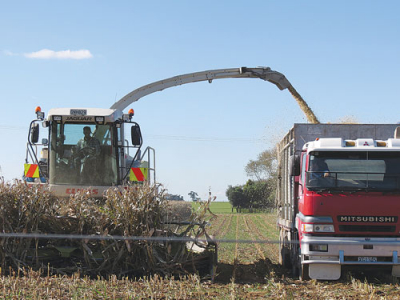 The maize harvest in many regions is being severely hampered by rain and high soil moisture levels.
The maize harvest in many regions is being severely hampered by rain and high soil moisture levels.
In Manawatu and Horowhenua contractors have been working around the clock in any breaks in the weather and when the ground is dry enough for machinery to go on it.
Rural Contractors New Zealand president Steve Levet, who lives in Northland, says the rain has brought many problems.
Ground conditions are now similar to what he’d expect in May – wet. A lot of maize in low lying areas hasn’t been harvested yet, as farmers wait for the ground to dry out. And this delay is holding up the re-grassing of paddocks.
“Getting grass seed in at the moment is a real hit and miss affair,” Levet told Rural News.
He says Northland has gone from a drought to too much rain, and some grass seed sown will simply rot in the ground because it is too wet.
The quality of some maize harvested so far is not up to the normal high quality.
“With maize in Northland you really rely on that December rain, but in December it was dry so the maize didn’t cob up as it normally does,” Levet explains.
“The cobs weren’t as mature as they normally are because it was so dry and as a result the maize was not yielding as well as it could or should have because it was under stress from lack of moisture.”
Levet says if maize gets a good dollop of rain in December it will respond well and this will carry the plant right through to harvest.
Maize is not the only crop affected; hay crops have also been poor.
Kiwifruit growers are watchful but remain optimistic as concerns around the potential effects of the El Niño weather pattern this season.
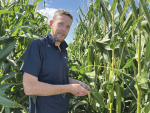
Four years since it was first detected in New Zealand, researchers and growers now know much more about management of maize pest fall armyworm (FAW).
With forecasters advising El Niño conditions will develop through winter and strengthen into spring and summer, Ballance Agri-Nutrients is encouraging farmers and growers to think ahead about nutrient planning and be prepared to work around challenging weather conditions.
As spring calving cows head into dry-off, the priority shifts to one thing: setting cows up to calve at the target body condition score (BCS).
Recent weather events in the Bay of Plenty, Gisborne/Tairawhiti, and Canterbury have been declared a medium-scale adverse event.



Fonterra Co-operative Group chief financial officer Andrew Murray has resigned to take up a role outside the dairy giant.
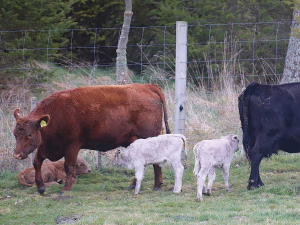
A major move is about to get underway to improve the quality and viability of dairy beef and cattle in NZ.
Veterinarians say changes to the code of welfare for dairy cattle provides a positive foundation for improved cattle welfare across the country.
Today, 15 October, is the International Day of Rural Women, which recognises rural women’s contribution to farming, communities and the environment.
Global dairy giant Lactalis has integrated its Australian operations with the Mainland Dairy consumer business it acquired from Fonterra earlier this year.
High country stations, mixed sheep and beef farms, Māori-owned farms, corporates and family operations are among the nine commercial farms taking part in the Livestock Innovation Farming Transformation programme, known as LIFT.