NZ Red Meat Exports Hit $867m in August, Up 23%
New Zealand's red meat and fifth-quarter exports reached $867 million in August, up 23% on the same month last year, as stronger returns lifted earnings across all major markets.
 increase font size
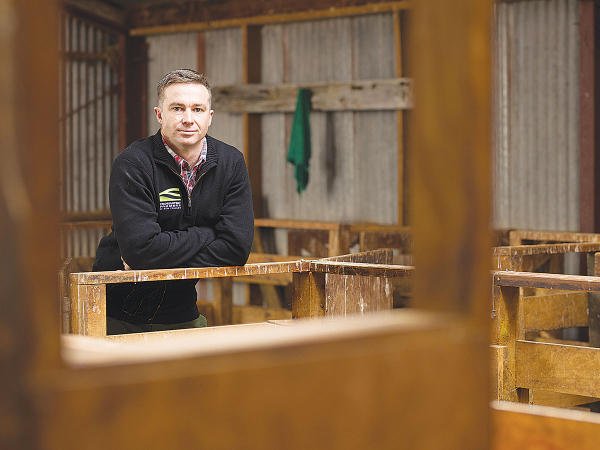 Federated Farmers meat and wool group chair Richard Dawkins.
Red meat farmers are using higher farmgate returns to make their farms more resilient, says Federated Farmers meat and wool industry group chair Richard Dawkins.
Although rising fuel and fertiliser prices are taking some shine off the record returns, farmer sentiment remains high, he adds.
Dawkins was commenting on a Beef + Lamb NZ report showing total on-farm inflation was flat for the second year in a row.
The on-farm inflation rate was -0.9% in the year to March 2026. This follows a 0.6% fall in 2024-25.
The overall result was driven by a fall in interest rates which account for 18% of total farm expenditure and is the largest single expenditure category for sheep and beef farms.
Dawkins says that while the reported drop in on-farm inflation is most welcome, it doesn't cover the post-Iran conflict period.
"The subsequent price rises in fertiliser and fuel are taking some shine off the record returns," he told Rural News.
"However, the sentiment in the sheep and beef sector remains very high with farmers making hay while the sun shines.
"Investment in deferred maintenance, short term debt and new technologies means farmers will be more resilient should these costs continue to rise or schedule prices drop."
The B+LNZ Sheep and Beef On-Farm Inflation report provides a detailed analysis of the changes in farm input prices and their impact on farm expenditure, offering valuable insights for farmers developing their budgets.
The findings come at a time when sheep and beef farmers are experiencing record returns and continuing strong international demand for New Zealand red meat.
B+LNZ chair Kate Acland says there's no doubt the red meat sector is in a stronger position than we've seen for somee time.
"But while revenue has improved, we know that input prices are moving just as quickly. The focus now is on building resilience for whatever comes next," she says.
The annual report does not cover the impacts of the conflict in the Middle East. The Strait of Hormuz closed on 28 February, leading to sharp increases in fertiliser and fuel prices.
In the year to March 2026, the report shows that when interest is excluded, underlying on-farm inflation rose 3.9%. This exceeded the Consumer Price Index (CPI) increase of 3.1% for the same period, meaning that most farm input prices are rising faster than general consumer prices.
The price of fertiliser, lime and seeds increased by 8.1%, the report shows. These products are the second largest farm expenditure category, accounting for around 15% of total expenditure.
There were also increases in rates (up 9.2% in the year to March), electricity (up 7.1%) and fuel (up 3.1%).
With interest rates forecast to rise later this year, Acland says that on-farm inflation is expected to increase in 2026-27.
"Farm input prices are significantly above pre-2021 levels. Over the past five years, cumulative on-farm inflation has increased by 30%, compared with 25% for CPI.
"However, the continuing strong international demand for the high-quality meat and wool that New Zealand sheep and beef farmers produce means our farmers are well-placed to meet increasing input prices.
"They will need to remain vigilant to ensure they are maximising the value of all farm inputs."
New Zealand's red meat and fifth-quarter exports reached $867 million in August, up 23% on the same month last year, as stronger returns lifted earnings across all major markets.
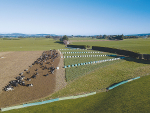
Central Otago District Council (CODC) has voted against a plan to spread treated sewage sludge from Cromwell and Alexandra on farmland near Lauder, a decision Federated Farmers says reflects strong opposition from rural residents.
Federated Farmers has called on Central Otago District Council (CODC) to drop or vote down a plan to truck sludge from Alexandra and Cromwell to farmland near Lauder, warning it would compound an "outrageous" situation created by a separate council's decision weeks earlier.
Federated Farmers says new legislation replacing the Resource Management Act will cut red tape, unlock investment and help grow New Zealand's export-led economy, after the Planning Bill and Natural Environment Bill passed their third reading in Parliament yesterday.
Leading figures from the major political parties will be questioned on their primary sector policies at the Rural Issues Debate at Mystery Creek Events Centre, Hamilton, on 30 September.


Farmer-owned fertiliser company, Ballance Agri Nutrients is welcoming National’s plan to negotiate security agreements with key supplier countries to protect New Zealand-bound products from export restrictions and greater supply chain certainty.

Carrfields has announced the appointment of Stu Hall to the newly created role of chief operating officer, Carrfields Ltd, reflecting the continued growth of their agribusinesses and the need to ensure the company has the leadership capacity and support in place as it pursues the emerging opportunities ahead.
New Zealand's role is not to compete with Indian growers, according to NZ Apples and Pears.
The potato industry is celebrating the success of two rising stars - James Blair, the 2026 Young Grower of the Year and runner-up and innovation award winner, Amber Davy.
Twenty-eight emerging leaders from across the horticulture sector spent two days last month learning valuable skills and connecting with industry experts.
There are five entrants in this year’s Young Horticulturist of the Year, competing in a series of technical, practical, business and leadership challenges.