NZ Red Meat Exports Hit $867m in August, Up 23%
Meat Industry Association data, released alongside the Red Meat Sector conference in Wellington, shows export value climbing across the US, China, UK and Canada.
 increase font size
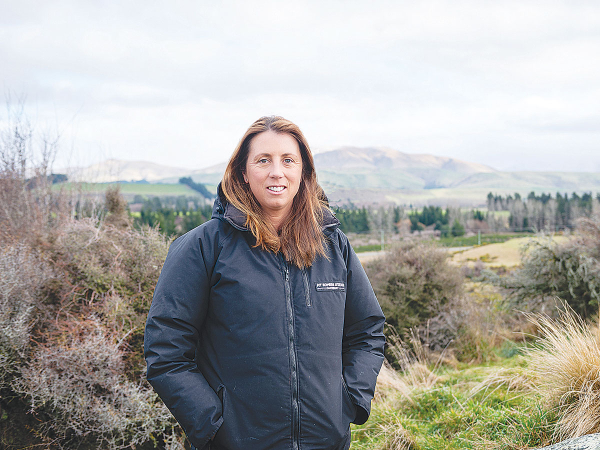 B+LNZ chair Kate Acland says the sector is “really crucial to the recovery of exports and the economy”.
The red meat sector is poised for a strong rebound this season, with export receipts forecast to top $10 billion and farm profitability to almost double.
However, challenges including more regulatory costs imposed by the coalition Government and President Donald Trump's new tariffs on imports into the US could yet spoil the party.
According to Beef + Lamb New Zealand's (B+LNZ) mid-season update, global demand, particularly from the United Kingdom, the European Union, the US and Canada, has remained strong, helping to offset weaker demand from China.
As a result, export receipts are forecast to increase by $1.2 billion on last year to reach $10.2 billion in 2024-25, despite lower overall export volumes.
Farm-gate prices have lifted significantly this season: Lamb prices are forecast to reach $155/head, up 20% from last season and 9% above the five-year average.
Mutton prices are expected to rise to $90/head - a 70% increase on last season. Cattle prices are projected to hit record levels, with an all-beef price of 618c/kg, 16% higher than last season and 20% above the five-year average.
As a result, farm profitability is set to improve. The average farm profit for 2024-25 is forecast at $106,500 - nearly double last season's $56,400 but still below the five-year average.
B+LNZ chair Kate Acland, who hosted Trade and Agriculture Minister Todd McClay on her farm in Canterbury last Thursday, says her message to the Government is that the red meat sector is "really crucial to the recovery of exports and the economy".
Acland told Rural News that the Government must ensure the primary sector remains profitable and productive. Farmers want more clarity around looming policies around climate change and freshwater use and what it would cost the farming sector.
"Farmer confidence is slowly recovering, but regulatory uncertainty around climate change, freshwater and other policy issues continue to weigh heavily on their minds.
"Stability in these areas is critical for long-term confidence and investment. New Zealand's red meat sector is resilient, and with the right policy settings, we can build on this recovery and strengthen our industry for the future."
Acland says that a lift in farmer profitability is good news, but costs remain a concern.
"While revenue has improved, farm input costs have risen 33% over the past four years, meaning profitability is still below long-term sustainable levels."
Shifting global trade patterns have played a key role in the sector's recovery. While China remains an important market, New Zealand exporters have diversified, increasing shipments to markets where demand is stronger. Meanwhile, constrained supply from New Zealand and record-low US cattle numbers have further supported farm-gate prices.
Acland says when the agriculture sector does well, the NZ economy benefits.
Beyond farm profits, the red meat sector continues to make a significant contribution to the New Zealand economy.
This season, sheep and beef farmers are expected to generate about $6.4 billion in income.
Every day, they spend around $15 million on goods and service, with 80-90% of that money staying in local communities, helping businesses, and creating jobs.
Meat Industry Association data, released alongside the Red Meat Sector conference in Wellington, shows export value climbing across the US, China, UK and Canada.

Ravensdown shareholders have elected Jane Montgomery and Kate Acland to the Ravensdown Board for three-year terms, following a closely contested director election.
Beef + Lamb New Zealand (B+LNZ) says it welcomes the passage of the Natural Environment Bill and Planning Bill, calling the bills a positive step for sheep and beef farmers.
Farmgate lamb prices are down by 8%, beef cattle by 4.5% and farm expenditure up by 4.2%.
Red meat farmers are welcoming Labour’s plan to review the Emissions Trading Scheme and not to campaign on pricing agricultural emissions.



National’s much-touted free trade deal with India featured in the Rural Issues Debate at Mystery Creek, Hamilton on Wednesday night.

New Zealand's 2026-27 freshwater fishing season has opened, with anglers encouraged to head to rivers and lakes over the coming days as conditions look favourable across much of the country.
Central Otago District Council (CODC) has voted against a plan to spread treated sewage sludge from Cromwell and Alexandra on farmland near Lauder, a decision Federated Farmers says reflects strong opposition from rural residents.
Pāmu has released its FY26 Integrated Annual Report, reporting a Net Operating Profit of $113 million, more than double the $49 million recorded in FY25.
Meat Industry Association data, released alongside the Red Meat Sector conference in Wellington, shows export value climbing across the US, China, UK and Canada.
Applications are set to open for the 2027 Zanda McDonald Award, a trans-Tasman award recognised for identifying and fast-tracking talented young leaders in agriculture and agribusiness.