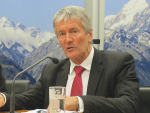
Damien O’Connor Criticises Budget 2026 as ‘Miserable’ for Rural New Zealand
A miserable budget that didn’t deliver much for anyone.
 increase font size

A NEW REPORT into the Government's Primary Growth Partnership (PGP) programme is a desperate attempt by Minister Nathan Guy to justify his lolly scramble ahead of an investigation by the Auditor-General, Labour's Primary Industries spokesperson Damien O'Connor says.
"The NZIER report claims the PGP has the potential to add $11.1 billion to the economy per annum in 2025, but only if all the research and development runs flawlessly, the aspirational stretch of its programmes are achieved and the innovations taken up widely.
"That is a tall order.
"The PGP aims to foster primary-sector innovation and investment in joint partnership with industries. It has now committed more than $700 million of taxpayer and farmer money to a range of projects. This is the National Government's method of reaching its goal of doubling exports.
"The problem is there are no quantifiable results as to how these programmes will actually achieve this.
"Labour is not alone with its concerns about the PGP. The Auditor-General has also decided to take a closer look at how the money for these programmes is allocated and, more importantly, how it is accounted for."
A miserable budget that didn’t deliver much for anyone.
National's decision to ‘dribble’ information about the NZ/India to Labour contributed to the delay in it deciding to supported the FTA.
When it comes to international trade, politicians from all sides of the aisle are united, says Labour's trade spokesman Damien O'Connor.
Federated Farmers have reiterated their support for the coalition Government to abolish the present ban on the live export of animals.
As the coalition Government mulls new regulations to reinstate the export of live animals, debate is heating up between supporters and opponents.
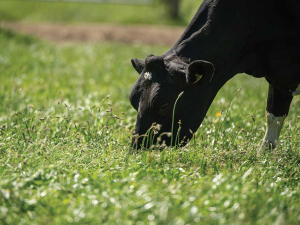
Farms across the upper North Island are trialling different pasture mixes as part of a research programme that aims to build greater resilience into farming systems.
Election years are always a concerning time for farmers, according to DairyNZ chair Tracy Brown.
The Ballance Farm Environment Awards are coming to the West Coast of the South Island.
Most dairy regions around the country have had a pretty good season so far says Tracy Brown.
Rural leader Mark Hooper has been appointed as an independent director to the NZPork board, bringing extensive farming, governance and advocacy experience to the role.