NZ Apple Sector Pushes for Japan & Korea Market Access
The apple sector is working with the Government to unlock access to two key markets that could bring millions in revenue for apple growers.
 increase font size
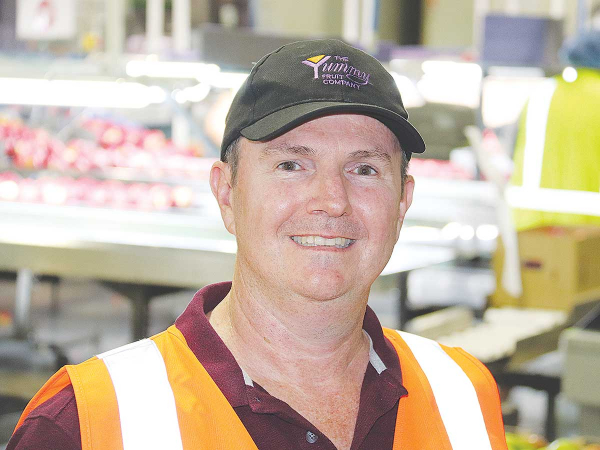 Johnny Appleseed’s Paul Paynter describes the situation as an impending crisis.
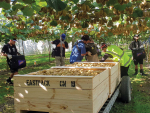
Hawke's Bay's multi-million dollar apple industry is facing a crisis like never before – all because there are not enough people available to pick the apple crop.
Paul Paynter, director of Johnny Appleseed – one of the largest growers in Hawkes Bay – describes the situation as an impending crisis.
He says that unless they get sufficient pickers, there is a serious chance that $100 million worth of apples won’t be picked this season.
In the case of his own orchards, Paynter told Rural News that it’s likely that 20% of his fruit will not be picked. Johnny Appleseed has 500ha of apples, a further 200ha in stonefruit and another 30ha in pears.
“It’s been traumatic here and you can drive down the road and you can see a Royal Gala block that hasn’t been picked and it doesn’t look like it’s going to be picked,” he says.
“We are better off than most because we are a relatively large organisation and probably about the fourth largest apple producer in NZ – so we are well resourced. We have an HR department and a bit of sophistication and can attract people and we have got pretty good campaigns going – yet we are still really struggling.
“We need another 140 pickers in the next week or so and I have no idea where we are going to find them.”
Paynter says the apple industry is worth more than half a billion dollars to the Hawkes Bay economy and with upwards of 20% of the crop not being picked that will have a huge impact on the region. He says if the crop isn’t being picked, and wages are not going into the community, the whole regional economy will suffer financially.
The apple sector is working with the Government to unlock access to two key markets that could bring millions in revenue for apple growers.
For over 50 years Mel Ewers has been supporting the apple sector navigate through compliance and quality assurance issues.
New Zealand apple and pear industry stakeholders are out in force for the annual conference in Queenstown.
As we move into the late-summer and autumn period, much of the country’s fruit growing regions are entering operationally critical windows of the horticultural calendar. The question on grower’s minds is ‘what is the outlook for the March-April harvest?’
Hawke's Bay apple grower Taylor Corporation says a standout 2026 season, coming after a few difficult years, is boosting optimism among growers.


Farmgate lamb prices are down by 8%, beef cattle by 4.5% and farm expenditure up by 4.2%.
Kiwifruit growers are watchful but remain optimistic as concerns around the potential effects of the El Niño weather pattern this season.
Almond hulls sourced from Australian orchards may have the potential to help New Zealand cows reduce emissions, boost milk yield and lower input costs.
Striking a balance between meeting the needs of industry to speed up approval time for products but on the other hand ensuring that risks are properly assessed.
Surprised, humbled and quite thrilled. That’s the reaction of James Allen, one of the founding partners and now chief executive of AgFirst, on being made a life member of the Institute of Rural Professionals.