Can Drones Destroy Hornet Nests?
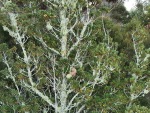
Will drones be the answer to tackling the problem of wasp and hornet nests high up in trees and other inaccessible places?
 increase font size
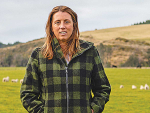
 Biosecurity New Zealand deputy director general Stuart Anderson.
Ministry for Primary Industries (MPI) is on the hunt for biosecurity champions as entries open for the 2022 New Zealand Biosecurity Awards.
The awards are designed to recognise and celebrate the contributions made across the country to protect against pests and diseases.
“It’s our way of honouring people and organisations across the motu who are contributing to biosecurity – in our communities, businesses, iwi and hapū, government, in the bush, our oceans and waterways, and in our backyards,” says Biosecurity deputy-director general Stuart Anderson.
He says that some New Zealanders aren’t aware that their work in their own backyards plays a critical role in the biosecurity system.
“From trapping pests like catfish, rats and stoats; to disease management in out forests, rivers and oceans; these are all important projects which strengthen our biosecurity system.”
“A strong biosecurity system takes all of us. We are grateful to receive continued support for these Awards from our fantastic sponsors – AsureQuality, Eagle Technology, Government Industry Agreement (GIA), Mondiale VGL and New Zealand’s Biological Heritage - we couldn’t do it without them,” says Anderson.
The impact of being a winner at the New Zealand Biosecurity Awards goes beyond the recognition and celebration on the Awards night, according to 2021 Supreme Winner Xerra Earth Observation Institute.
“The recognition of Starboard’s work through these awards has been enormously motivating to continue our journey towards science-based benefits for all Aotearoa,” says Xerra programme leader Moritz Lehman.
“Biosecurity challenges need a team approach and we sincerely thank the intensive co-development support from staff at Biosecurity New Zealand who now use our tool to help protect our maritime border from invasive species.”
The New Zealand Biosecurity Awards categories are:
Entries close 5pm, 31 July 2022.
Will drones be the answer to tackling the problem of wasp and hornet nests high up in trees and other inaccessible places?
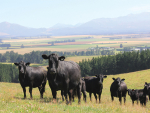
Bovine Viral Diarrhoea (BVD) is sometimes viewed as a dairy industry issue, but the reality is that the disease can have serious consequences for beef breeding herds as well.
Election years are always a concerning time for farmers, according to DairyNZ chair Tracy Brown.
Testing confirms H5 bird flu in a single northern giant petrel, found dead on a remote Cape Palliser beach in the Wairarapa, says Dr Mary van Andel, the Ministry for Primary Industries' (MPI) Chief Veterinary Officer.
Bovine Viral Diarrhoea (BVD) is sometimes viewed as a dairy industry issue, but the reality is that the disease can have serious consequences for beef breeding herds as well.


During the nesting season, from September to December, industrious starlings can quickly build nests in the darker areas behind tractor and vehicle, usually close to hot engines, typically resulting in localised damage or in some cases complete write-offs.
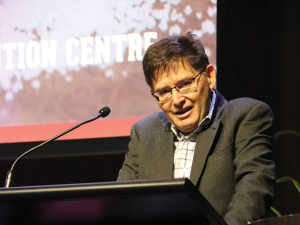
The meat processing industry is much more collegial than it was in the past and is now more focused on common goals.
With the last couple of months having seen some potential tractor purchases put on hold with the impending election and continued input cost rises, year-to-date figures, ending September, has seen deliveries up around 5% over the same period in 2025, with a total of 2026 units.
Beef+Lamb New Zealand is calling for nominations for director roles in the Northern South Island and Northern North Island electoral districts.
Fonterra chief executive, Richard Allen says being resilient has helped the dairy industry overcome extreme volatility in recent years.
The head of the Ministry for Primary Industries (MPI) trade and international relations group says New Zealand is well-positioned to secure trade access and compete internationally as the world becomes more complicated, demanding and uncertain.