Massey Uses Portable Analyser to Measure Pasture Soil GHGs
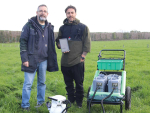
Researchers at Massey University are using a special piece of scientific equipment to improve the measurement of greenhouse gas emissions from pasture soils.
 increase font size
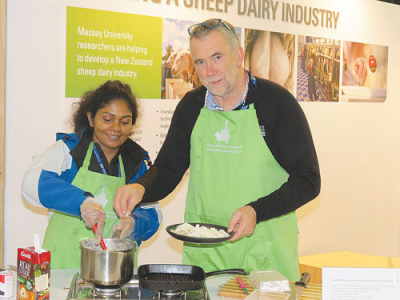 Craig Prichard demonstrating sheep cheese at an earlier conference.
The sheep milk industry has made huge strides in the last four years, says Massey University associate professor Craig Prichard.
The 4th annual Sheep Milking Conference was held in Palmerston North last week, attracting 150 producers, scientists and interested observers.
Prichard, known as a driver of the industry, says four years ago only four cheese makers attended; this year there were 16.
He says in four years the industry has moved from being “gee whizz isn’t that interesting” to a serious business with a future.
“I’m not getting calls from people asking what sheep milk tastes like. Instead the calls are from people asking, can you tell me more about it – the returns, investment required and products you can produce?”
Prichard says sheep milking has made big strides in the last year, giving the industry confidence and attracting new producers.
He points to the importation of new genetics to increase milk production and the industry’s profile being boosted by a sheep cheese wining the top overall cheese award.
“We are moving into the next zone, which I would see as more sheep milk producers coming on in Waikato and South Waikato, working with two major companies – Spring Sheep Dairy and Maui Milk. This is a new era but not a boom-or-bust situation.
“People are making careful decisions to engage with a new potential sector. What’s important to notice
now is this interest is coming even when the cow milk price is relatively good and at the same time as lamb and beef prices are also relatively good.”
Prichard says people are seeing the sheep milk industry as a viable form of diversification – a way of expanding their business portfolio. They are seeing the returns and recognising the shift taking place and want to be a part of it.
Big growth is visible: one company grew 400% last year. New large producers are entering the industry – people with flocks of 300 to
400 sheep.
“They are not lifestylers; these are trying to make a business producing sheep milk. We are in a whole different space from what we used to be.”
Research will feed growth
Craig Prichard notes the research work AgResearch is doing as part of an MBIE project.
This research will help drive the direction of the sector and, in particular, the health benefits of sheep milk and its associated products, he says.
And research into sheep milking’s environmental benefits will also give it a push. Long-term research is aimed at getting definitive results on nitrogen loading and leaching, and results from looking at all sorts of feed crops.
“There are good stories coming through on the environmental side,” he says.
Prichard hopes that in the next couple of years New Zealanders start to realise that sheep cheese is an important part of our cheese diet. Sheep cheese makers are keen to contest awards and this will help lift the profile of the sector.
“I am hoping some established cheese makers will get involved.
“Even Fonterra -- God forbid -- may take an interest in doing something interesting with sheep milk and producing a distinctive sheep cheese from different regions that will stand up in the international market,” Prichard says.
Researchers at Massey University are using a special piece of scientific equipment to improve the measurement of greenhouse gas emissions from pasture soils.

Interest in agritech and production animal systems has prompted Massey University's School of Agriculture and the Environment to new majors to its popular animal science degree.
The industry is crying out for graduates with agricultural related degrees.
A four year trial has reaffirmed that mixing plantain into dairy pastures can help reduce nitrogen losses to freshwater while maintaining milk production and profitability, say researchers.
Special courses for secondary school teachers to help excite kids about agriculture and horticulture are now being run at Massey University.


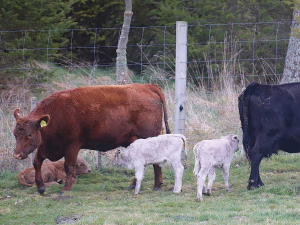
A major move is about to get underway to improve the quality and viability of dairy beef and cattle in NZ.
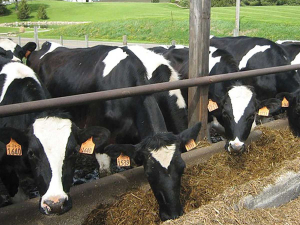
Veterinarians say changes to the code of welfare for dairy cattle provides a positive foundation for improved cattle welfare across the country.
Today, 15 October, is the International Day of Rural Women, which recognises rural women’s contribution to farming, communities and the environment.
Global dairy giant Lactalis has integrated its Australian operations with the Mainland Dairy consumer business it acquired from Fonterra earlier this year.
After almost two decades of sharemilking, saving and building equity, Aaron and Marcia Flay this year realised their long-held dream of settling on their first dairy farm.
Good medium to long term prospects for NZ beef, especially in the US, has heighted the focus on various initiatives to capitalise on this situation.