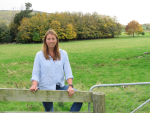
Pāmu and Meet the Need Launch Mince Recipe Cards for Food Banks
A partnership between state-owned enterprise Pāmu (Landcorp Farming Limited) and charity Meet the Need is putting more than quality New Zealand beef into food bank parcels this year.
 increase font size
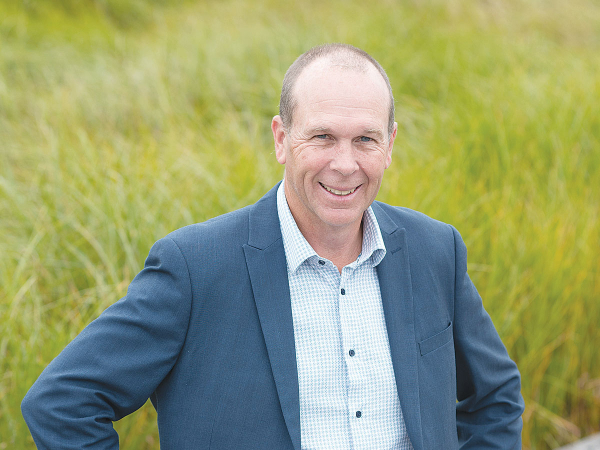 Pamu chief executive Mark Leslie says the state-owned farmer is committed to transparency around its emissions reduction journey.
Pāmu (Landcorp Farming) says its journey to reduce its carbon output has begun with Toitū carbon reduce certification across 20 of its farms.
The state-owned farmer says this is just one step on the company’s path to reducing its carbon emissions by 4% per year to 2024.
“The Toitū carbon reduce certification provides us with a very robust measurement of our emissions, allowing us to identify the best carbon reduction opportunities and measure our progress in reducing emissions,” says Pāmu sustainability manager Sam Bridgeman.
“It provides a clear framework for continuing to measure and reduce our emissions on farm, across the organisation,” Bridgeman told Rural News. “Having a consistent approach using best practices ensures we are holding ourselves to account and meeting our supplier requirements.”
Bridgeman says Pāmu has been working to reduce its environmental impact over the course of several years.
“Our flagship initiatives include breeding animals with lower methane levels and shifting several dairy farms to organic farms.
“We are also developing tailored emissions reductions plans for each farm and are undertaking a firm wide education programme to train our staff on how to identify emissions reductions opportunities,” Bridgeman adds.
Pāmu manages 110 farms over 364,000 hectares, with revenue primarily coming from dairy and livestock farming.
Chief executive Mark Leslie says the state-owned farmer is committed to transparency around its emissions reduction journey.
“We are committed to being a sector leader when it comes to farming and environmental innovation and being a role-model for other agriculture businesses starting their carbon reduction journey,” he says.
Leslie claims the geographic diversity of its farms and range of Pāmu’s stock enables them to trial mitigations and improvements under different conditions.
“There are some big challenges ahead, and we are starting to develop concrete plans to reduce our emissions,” he says. “We also expect to have each of our farms certified by 2024.”
In 2021, Pāmu farms contributed 0.75m gross metric tons of carbon dioxide equivalent and sequestered around 0.33m metric tons of carbon dioxide equivalent.
A partnership between state-owned enterprise Pāmu (Landcorp Farming Limited) and charity Meet the Need is putting more than quality New Zealand beef into food bank parcels this year.

State farmer Pamu has delivered its strongest operating result on record.
Beef+Lamb New Zealand and the Ag Emissions Centre have launched a new research project aimed at helping beef farmers reduce methane emissions without impacting productivity or profitability.
State farmer Pāmu is opening its farm gates this summer in an effort to give the rural sector the opportunity to see how large-scale, multi-system farming is delivering productivity and profitability across New Zealand.
Bank of New Zealand (BNZ) and Pāmu (Landcorp Farming Limited) have developed a new way for landowners to earn revenue from existing native forests.


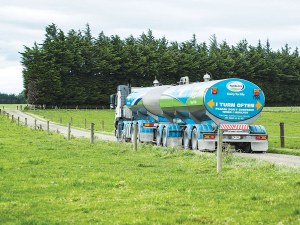
Fonterra has unveiled its annual results for the 2026 financial year, posting $27 billion in revenue and close to $20 billion returned to New Zealand farmer owners and unit holders.
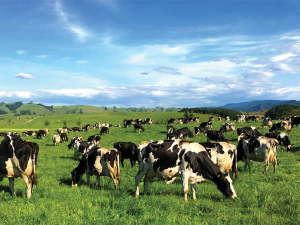
The first major update to the Dairy Cattle Code of Welfare in more than a decade has been released, marking what DairyNZ describes as an important step in ensuring animal welfare standards continue to evolve alongside scientific evidence and on-farm realities.
Ravensdown shareholders have elected Jane Montgomery and Kate Acland to the Ravensdown Board for three-year terms, following a closely contested director election.
Federated Farmers says new legislation replacing the Resource Management Act will cut red tape, unlock investment and help grow New Zealand's export-led economy, after the Planning Bill and Natural Environment Bill passed their third reading in Parliament yesterday.
Leading figures from the major political parties will be questioned on their primary sector policies at the Rural Issues Debate at Mystery Creek Events Centre, Hamilton, on 30 September.
OPINION: Have a plan in place now!