Seeka Posts Record $62m Profit as Zespri Lifts 2026 Forecast
More signs of a booming kiwifruit sector.
 increase font size
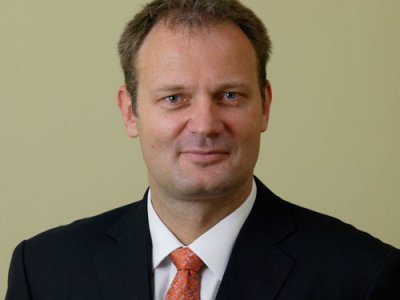 Simon Limmer.
The concept of sustainability needs to be more carefully defined, says Zespri’s chief operating officer Simon Limmer.
He told a recent conference celebrating 20 years of the Zespri brand that sustainability is a very nebulous concept. He believes Zespri has a responsibility, as the hub of the New Zealand kiwifruit industry, to try to encapsulate exactly what it means.
Sustainability means different things to different people, but in most cases the focus is on the environment, Limmer says. But it is much bigger and broader than that.
“We are just going through a phase of learning what it means to us at Zespri and determining where we are on the journey,” he told Rural News.
“We have a pretty good image in terms of our overall performance, but we need to dig a little deeper and see what that means and what value that means. We are interested to know specifically what the measurements are we should be using.”
The conference talked much about how the treatment of people is an integral aspect of sustainability, and about the importance of economic sustainability and how all this is weaved into a company’s business plan.
“You need to know what you are aiming for – not this general fluffy concept of sustainability. It’s got to be something that is targeted,” Limmer adds.
He says you can’t just have a line in the budget which says sustainability and if you spend the money you have been successful.
“This whole concept must be culturally engrained in the industry: what we do on a daily basis rather than just how much we spend.
“It’s a trendy kind of concept in business that when times are good and the economy is doing well everyone is doing sustainability. [But] the moment the economy drops a bit a line goes through it and we just wait till the economy comes around again then we’ll put it back on the radar. We can’t afford to do that.”
Limmer says getting a clear definition of what sustainability means to Zespri is a story that hopefully will resonate well with consumers.
As well as the production process, consumers also want to feel comfortable knowing people are well treated. Everyone in the kiwifruit industry has a responsibility to be committed to, and to actively practice, sustainability, he says.
“The story we have is a good one and most of our markets also think we have a good story, but we tend to mumble it a little. It’s important that any gaps in our story are quickly filled. We need to get out and tell our story clearly, loudly and decisively and make sure the value in it is captured and accepted.”
More signs of a booming kiwifruit sector.
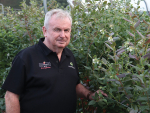
Blueberries have the potential to become a major horticultural export, earning up to $150 million within the next three to five years.
Westpac NZ has become the first New Zealand bank to receive approval from the Reserve Bank of New Zealand (RBNZ) to secure and leverage kiwifruit growers' Zespri shares.
New Zealand's kiwifruit industry has welcomed Government co-investment in a new five-year programme designed to help growers produce higher yields of premium fruit, with less water, fewer nutrients and reduced environmental impact.
Zespri's sales of kiwifruit for the 2025 season have broken all past records.


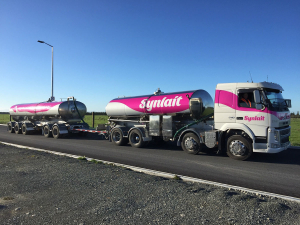
Synlait has swung to second-half profit as operations stabilise, but the dairy processor still posted a $75.4m annual loss.

LIC shareholders have elected a new North Island representative to the co-operative's Board, along with five representatives to its Shareholder Reference Group (SRG), following the company's Annual Meeting held in Invercargill.
Farmers across parts of Southland and South Otago are continuing to deal with difficult conditions after a prolonged run of wet weather, with pressure building around feed supply, stock management, pasture damage, farm infrastructure and everyday workloads.
Federated Farmers says it welcomes Labour's commitment to reviewing the Sharemilking Agreements Act, calling on other major parties to do the same.
For Canterbury dairy farmers Sian Meijer and Rick Wobben, wearable technology has become one of their most valuable on-farm tools - helping manage 1850 cows across an expansive, high-performing dairy operation while improving efficiency, mating outcomes and day-to-day decision making.
Fonterra has unveiled its annual results for the 2026 financial year, posting $27 billion in revenue and close to $20 billion returned to New Zealand farmer owners and unit holders.