NZ Red Meat Exports Hit $867m in August, Up 23%
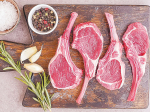
New Zealand's red meat and fifth-quarter exports reached $867 million in August, up 23% on the same month last year, as stronger returns lifted earnings across all major markets.
 increase font size

THE HORTICULTURE export sector and Summerfruit NZ have welcomed the early start to the economic cooperation agreement with Taiwan.
The earlier than anticipated start of December 1 to the deal is good news for exporters, says New Zealand Horticulture Export Authority chief executive Simon Hegarty.
Officials worked to secure this deal and benefits will be realised in 2013/2014 export season.
Taiwan is the NZ horticulture sector's 6th largest export market in value terms with exports in 2013 amounting to $112 million.
However, these exports attracted about $20million in tariffs at an average 18.5% of the value. The 20% tariff on kiwifruit alone amounted to a cost of $16m or an average $6000/grower, while the cost to the 406 apple growers was $2.8m or an average of $6930 per grower.
Specific examples of benefits include:
• apples drop from 20% tariff to zero tariff on 1 Dec 2013,
• cherries drop from 7.5% tariff to zero on 1 Dec 2013,
• kiwifruit phased down from 20% to zero over 3 years (by 1 Dec 2016),
• onions and buttercup squash will be phased down from 25% to zero over 8 years (by 1 Dec 2021).
Summerfruit NZ's chief executive, Marie Dawkins, says Taiwan is our most important market for cherries with nearly 600,000kgs exported there for the 2012-13 season, or about 41% of all cherry exports.
The timing of the announcement was slightly unexpected as earlier indications suggested the agreement would come into effect some time in 2014.
The first boxes of cherries under the new tariff free agreement are likely to be exported within days of the deal coming into effect. Dawkins says the cherry season is a relatively short one and growers were well placed to make the most of any opportunities the reduced Taiwanese tariff might provide.
For more information go to website www.hea.co.nz
New Zealand's red meat and fifth-quarter exports reached $867 million in August, up 23% on the same month last year, as stronger returns lifted earnings across all major markets.

OPINION: The United States wine market has changed forever, and companies cannot use same old playbook, said Erin Kirschenmann at the New Zealand Wine 2026 Wine Business Forum in August.
Meat Industry Association data, released alongside the Red Meat Sector conference in Wellington, shows export value climbing across the US, China, UK and Canada.
Where any worker in the kiwifruit industry is mistreated, we expect the authorities to take action.
Kiwifruit growers are watchful but remain optimistic as concerns around the potential effects of the El Niño weather pattern this season.



Federated Farmers has welcomed new rural policies released by ACT, saying they align closely with its own election priorities.

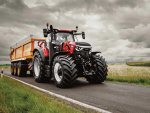
Rural Contractors NZ says proposed changes to land transport rules for agricultural vehicles are a welcome response by the Government to out of date regulations which have seen members hit with huge fines.
Alliance is calling for final applications for its 2027 Graduate Programme, with applications closing on Sunday 25 October.
Decades piloting planes has ensured vet and farmer David Hayes is focused on safety. So, after a serious accident while welding on farm, he is sharing his experience so others can learn from it.
Canterbury milk processor, Synlait Milk has confirmed Leon Fung as its chief executive officer.
OPINION: Making it easier to collect rainwater and use it to grow crops and livestock is a no brainer.