
Editorial: Stay the Course
OPINION: The United States wine market has changed forever, and companies cannot use same old playbook, said Erin Kirschenmann at the New Zealand Wine 2026 Wine Business Forum in August.
 increase font size

Dairy was the main contributor to New Zealand's terms of trade rising 4.9% in the June 2013 quarter, due to rising export prices and falling import prices, Statistics New Zealand says.
Terms of trade is a measure of the purchasing power of New Zealand's exports abroad. An increase means that New Zealand can buy more imports for the same amount of exports. The terms of trade rose for the second consecutive quarter but is still 2.5% below the 37-year high reached two years ago.
"The terms of trade increase of 4.9% reflected higher dairy prices", prices manager Chris Pike says. "Without dairy, the terms of trade would have risen 1.6%."
In the June 2013 quarter:
• export prices rose 3.4%
• import prices fell 1.5% (reflecting lower prices for crude oil and capital goods)
• seasonally adjusted export volumes fell 6.7%
• seasonally adjusted import volumes rose 3.9%, influenced by capital goods.
Dairy exports made a significant contribution to both prices and seasonally adjusted volumes, with milk powder being the largest contributor. In the latest quarter, dairy export:
• prices rose 14%
• seasonally adjusted volumes fell 18%
• seasonally adjusted values fell 6.8%
The price and volume indexes for exports and imports of goods are compiled mainly from overseas merchandise trade data.
OPINION: The United States wine market has changed forever, and companies cannot use same old playbook, said Erin Kirschenmann at the New Zealand Wine 2026 Wine Business Forum in August.

Chinese beef trade quotas and a looming suspension of Brazilian beef imports into the European Union are expected to reshape global beef trade flows over the remainder of 2026, with implications for New Zealand exporters, according to Rabobank's Q3 Global Beef Quarterly report.
China remains New Zealand’s biggest market, taking $23 billion of our exports, but it’s no longer a commodity story, says Prime Minister Christopher Luxon.
According to new research, industry leaders have ranked world-class biodiversity as the number one priority for the 16th year in a row.
OPINION: This is my last article as Chief Executive, so I thought I’d take the opportunity to talk about three recurring issues which I have seen over the years, and which are almost certain to be issues in the future.


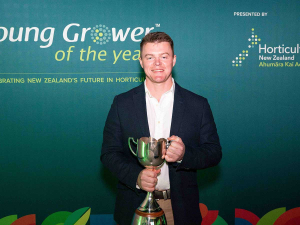
The potato industry is celebrating the success of two rising stars - James Blair, the 2026 Young Grower of the Year and runner-up and innovation award winner, Amber Davy.
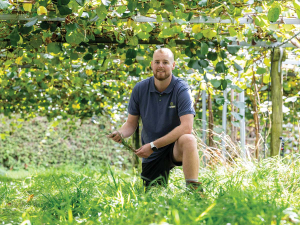
Twenty-eight emerging leaders from across the horticulture sector spent two days last month learning valuable skills and connecting with industry experts.
There are five entrants in this year’s Young Horticulturist of the Year, competing in a series of technical, practical, business and leadership challenges.
A seasoned horticulturist has been appointed to deliver the Apple Action Plan, a key initiative of the India-New Zealand Free Trade Agreement.
New Zealand's citrus growers have been told to compete on the value built into their fruit rather than the volume they grow.
Hawke's Bay fruit growers are being reminded of the need to prepare for whatever the El Niño weather system may bring in the coming months.