Keep Your Food Safe This Festive Season: NZ Food Safety Tips
New Zealand Food Safety (NZFS) is reminding New Zealanders to keep food safety top of mind as they head into the festive season.
 increase font size

Tomatoes New Zealand has called on the government to ensure irradiated Australian tomatoes and capsicums are clearly labelled.
The NZ body representing 150 commercial fresh tomato growers, is urging Food Safety Minister Nikki Kaye to ensure that labelling of loose irradiated produce is carried out.
From June this year, irradiated Australian tomatoes and capsicums could be available in New Zealand retail outlets, cafes and restaurants. The Minister for Food Safety is due to make her decision on the Food Standards Australia New Zealand (FSANZ) proposal in May.
Alasdair MacLeod, chair of Tomatoes New Zealand, said: "We are demanding compulsory labelling on all irradiated produce, loose or otherwise, be clear and enforced, so that Kiwi consumers can make an informed decision between Australian irradiated tomatoes and New Zealand tomatoes which are never irradiated
"Consumers have the right to know where their produce comes from and how it has been treated.
"Unlike Australia, New Zealand does not have compulsory labelling of fresh produce – so under the current regime, unless retailers take it upon themselves to clearly label irradiated Australian tomatoes and capsicums, consumers won't know.
"For example; your local retailer may provide a sign informing you that some of the loose tomatoes in the crate have been irradiated. But how will you identify the Australian irradiated loose tomatoes from the New Zealand loose tomatoes? The point is you won't and that is what we want to avoid."
The Queensland Government has applied to FSANZ to export irradiated tomatoes and capsicums to New Zealand. FSANZ has approved the application in principle and the final decision now sits with New Zealand's Minister for Food Safety to decide how to proceed
The Australian state of Queensland irradiates fresh produce before it is exported to prevent any bacteria or pests such as the Queensland Fruit Fly from leaving Australia's shores. Irradiation applies gamma rays to fresh produce coming into New Zealand.
"Irradiation is a vital tool to protect New Zealand's vulnerable horticulture industry from fruit fly and we support its use on at-risk produce from Australia," says MacLeod.
"However we do want consumers to have information at point of sale so they can make the decision to eat irradiated tomatoes for themselves.
"This is a great example of why we support the mandatory country of origin labelling being introduced into New Zealand; we label shoes and clothing with their country of origin. Why wouldn't we label food?"
New Zealand Food Safety (NZFS) is reminding New Zealanders to keep food safety top of mind as they head into the festive season.
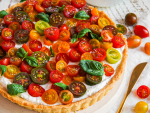
It might be time to stop storing your tomatoes in the fridge, says one researcher.
More locally grown tomatoes are coming to stores this month and you can thank New Zealand greenhouses for that.
Biosecurity New Zealand has placed import restrictions on tomato seed imports from Australia after the detection of tomato brown rugose fruit virus at two South Australian growing properties.
Fresh produce growers need to consider safe food practices a necessary step in the cost of doing business, delegates at the recent International Fresh Produce Association Australia and New Zealand (IFPA A-NZ) second annual Food Safety Summit heard.

OPINION: Farmers around the country are welcoming the proposed reform of local government.
A move to boost farmer uptake of low methane emitting sheep is underway.
Silver Fern Farms has tackled the ongoing war-induced shipping challenges to mideast markets by airlifting 90 tonnes of chilled New Zealand lamb and beef to the United Arab Emirates.
The primary sector is leading New Zealand's economic recovery, according to economist and researcher Cameron Bagrie.
Dairy industry leader Jim van der Poel didn't make much of the invitation he received to the recent New Zealand Dairy Industry Awards in Rotorua.
Farmers around the country are going public big time, demanding their local district, city and regional councils come up with amalgamation plans that meet the needs of rural communities and don't allow urban councils to dominate.