Editorial: Stay the Course
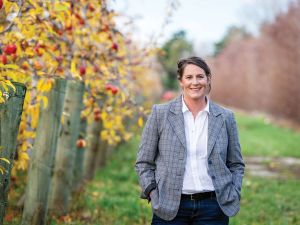
OPINION: The United States wine market has changed forever, and companies cannot use same old playbook, said Erin Kirschenmann at the New Zealand Wine 2026 Wine Business Forum in August.
 increase font size
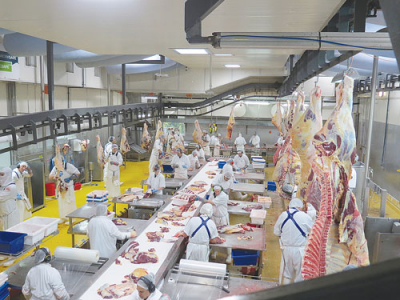 The CPTPP is being considered a win for New Zealand's meat industry.
The Trans-Pacific trade deal, CPTPP, has already cut tariffs on New Zealand beef to Japan from 38.5% to 26.6%.
According to Esther Guy-Meakin, Beef + Lamb NZ’s manager international trade, over the next 15 years those tariffs will fall to 9% “which is obviously quite a big win for us”, she told Rural News.
Estimates show the meat industry expects to save $60 million in tariffs into Japan once CPTPP is fully implemented.
On December 31, 2018 the CPTPP came into force and everyone in the 11-country trade deal had to make their first tariff cut and then in January everyone made their second, she says. Because of Japan’s financial year they were allowed to make their second cut on April 1. That brought the beef tariff down to the 26.6%.
“With the Japanese market the agreement also puts us on a level playing field with Australia, which has had a deal in place for a few years. That has meant they have an advantage,” says Guy-Meakin. “The CPTPP puts us on the same footing as Australia so we will have the same preferential access as them.”
Beef exports to Japan are about 4% of NZ global beef exports by volume, but of high value.
Guy-Meakin says while we have free trade agreements with many other CPTPP countries, we didn’t with Mexico, Peru, Canada and Japan.
“That means we [now] get a good deal with those countries too,” she says.
OPINION: The United States wine market has changed forever, and companies cannot use same old playbook, said Erin Kirschenmann at the New Zealand Wine 2026 Wine Business Forum in August.

Chinese beef trade quotas and a looming suspension of Brazilian beef imports into the European Union are expected to reshape global beef trade flows over the remainder of 2026, with implications for New Zealand exporters, according to Rabobank's Q3 Global Beef Quarterly report.
China remains New Zealand’s biggest market, taking $23 billion of our exports, but it’s no longer a commodity story, says Prime Minister Christopher Luxon.
According to new research, industry leaders have ranked world-class biodiversity as the number one priority for the 16th year in a row.
OPINION: This is my last article as Chief Executive, so I thought I’d take the opportunity to talk about three recurring issues which I have seen over the years, and which are almost certain to be issues in the future.



National’s pledge to introduce 19 new national standards shows the party is serious about getting Wellington out of farming, Federated Farmers says.
The National Party’s policies to make it easier to grow fresh vegetables, secure reliable water and energy and simplify farm planning are practical changes that will give growers the confidence to invest, according to Horticulture New Zealand (HortNZ).
Fonterra Co-operative Group chief financial officer Andrew Murray has resigned to take up a role outside the dairy giant.
A major move is about to get underway to improve the quality and viability of dairy beef and cattle in NZ.
Veterinarians say changes to the code of welfare for dairy cattle provides a positive foundation for improved cattle welfare across the country.
Today, 15 October, is the International Day of Rural Women, which recognises rural women’s contribution to farming, communities and the environment.